Power to the patients
Published on 15 April 2026
Patient Campaign
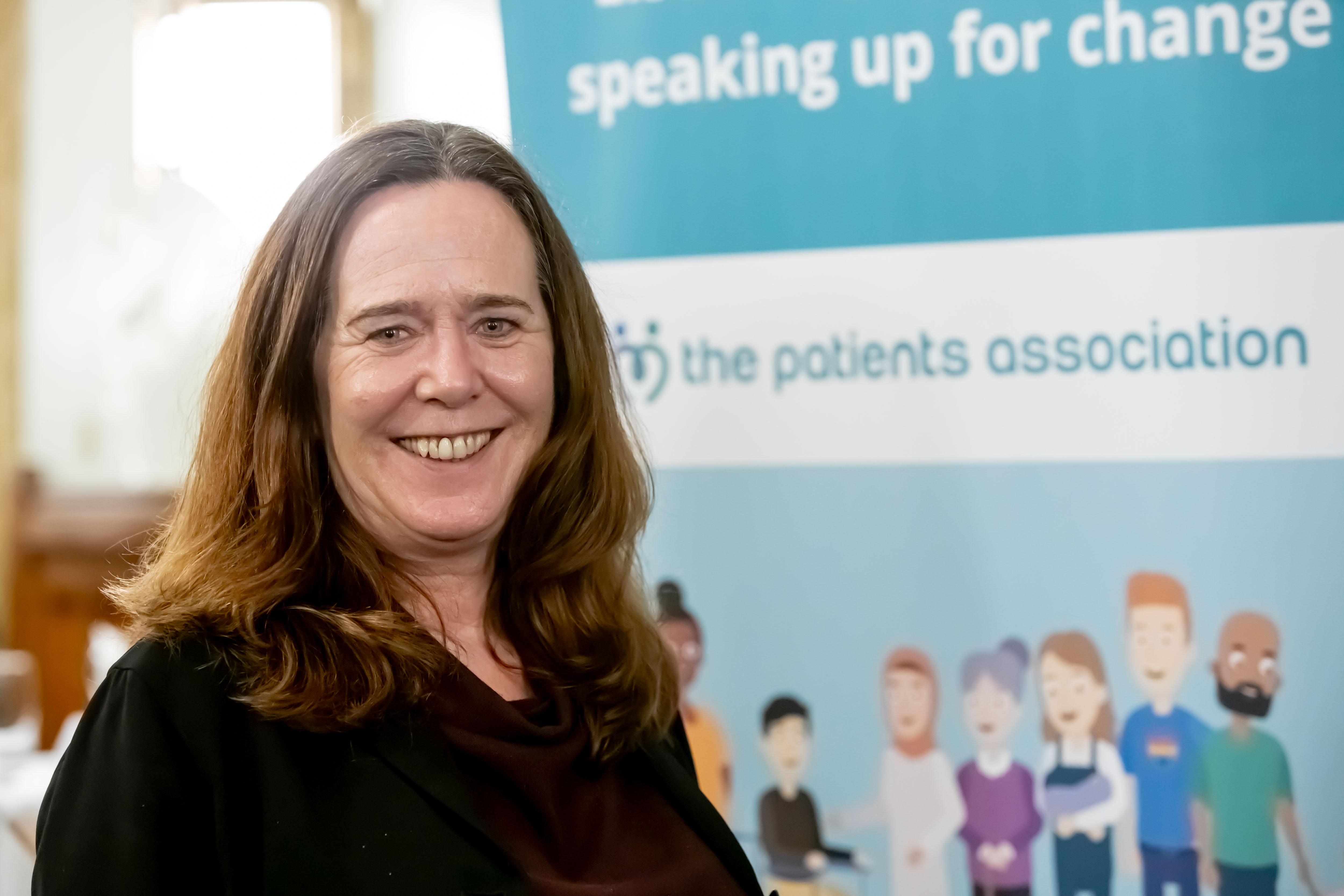
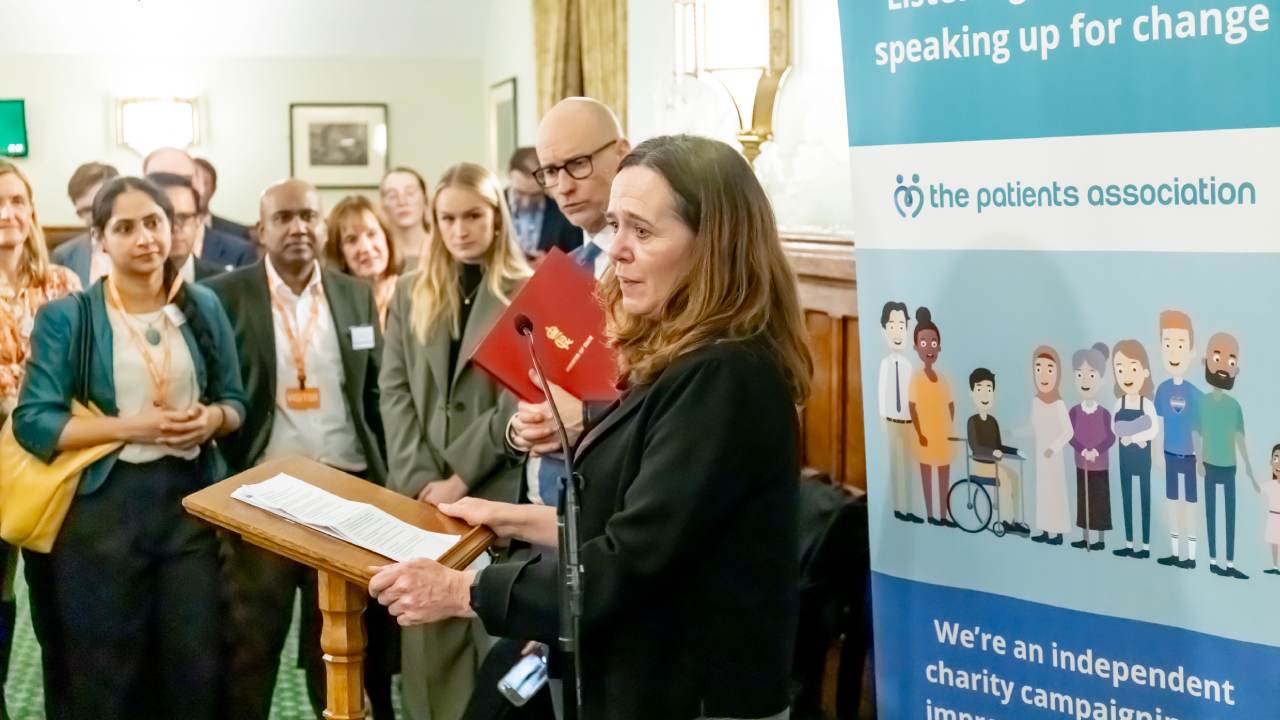
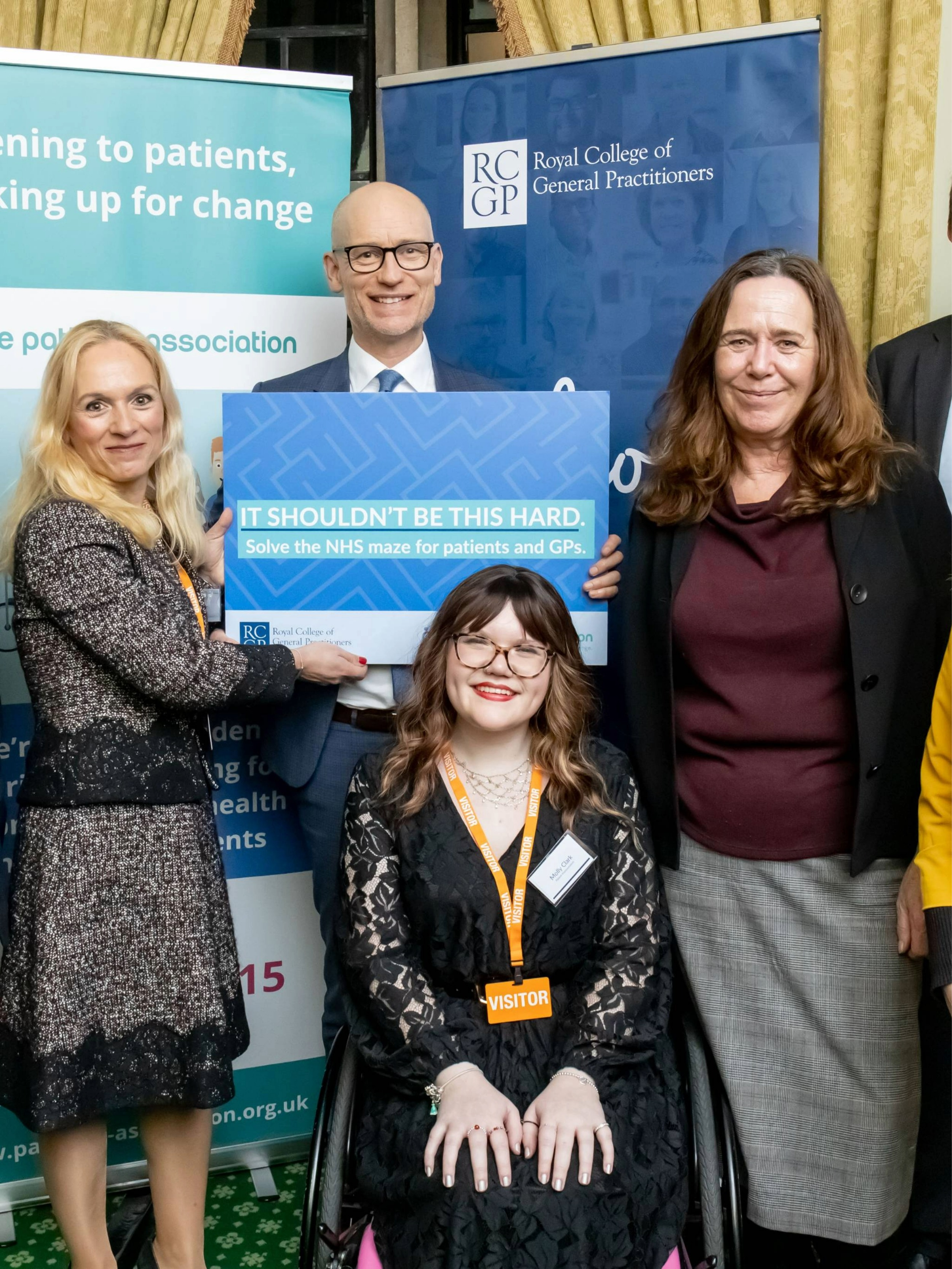
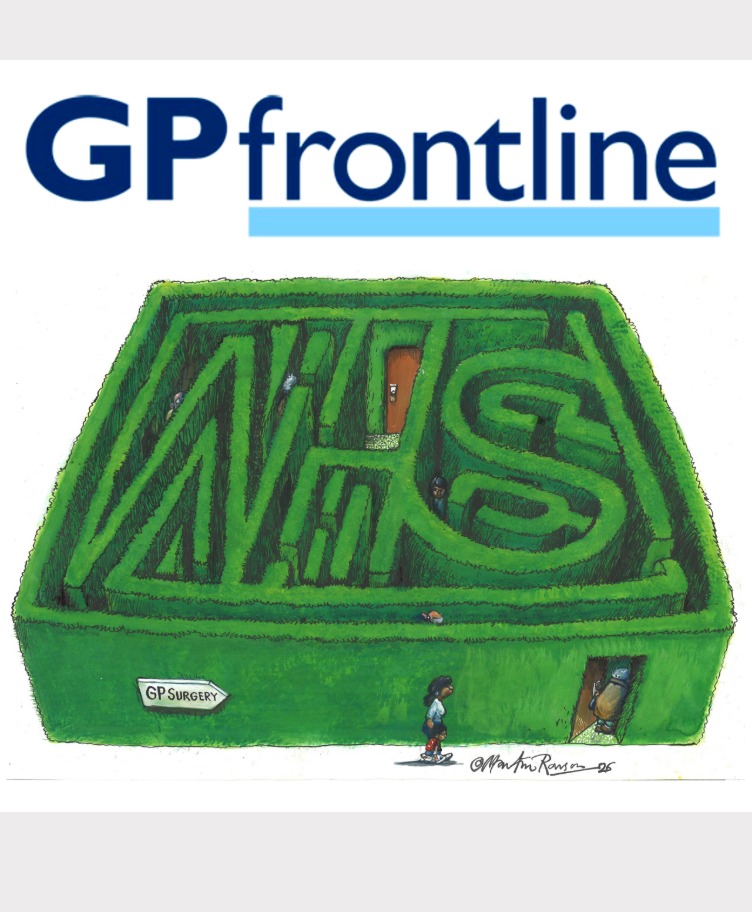
One thing Rachel says will be essential in finding solutions to help patients navigate the maze is curiosity; asking patients what they think, listening to their answers and understanding the impact that ‘getting stuck in the maze’ has, not just on their health but their life more widely.
“There’s something about ‘partnershipping’,” Rachel loops back, “we need to get better at designing and delivering services with patients. We’ll get better outcomes and it’ll be more efficient.” She points to the Government’s 10-year health plan, launched last year, with a key component being shifting more care out of hospitals into the community. ‘Neighbourhood working’ as it’s being termed is something the Patients Association is optimistic about (‘it’s a great thing’) but cautious (‘we’ve got to be very careful that it works’). Ultimately, Rachel is adamant, ‘it can’t be done without patients’.
“Everything will need to be integrated,” she says, “and then we have to give patients the right information, so they understand all the changes, and feel as though they have choice over their care – the multi-professional teams that will be delivering their care, for example.”
She uses multiple unsuccessful initiatives to facilitate patient data sharing as an example where a lack of engagement and poor communication has led to failure of entire projects. “Data projects have failed because people haven’t been transparent with patients,” she says, referring to GPDPR and the care.data programme before it.
This is where the NHS, according to patients, Rachel relays, needs to be careful regarding its use of AI, which she thinks can have an ‘assisting’ role in delivering patient care and services: “Patients aren’t opposed to AI but they want transparency about where it’s being used and how; they want communication about it, they want to know it’s safe,’ she says, pointing to a recent Patients Association survey.
“When patients say they want to be an actor in their care,” she explains, “they’re not disregarding the years of training that GPs or other healthcare professionals have. What they’re saying is they know their body, they know what’s important for them.”
Another priority of the Patients Association’s joint report with the College is ensuring that every patient should be able to see their GP when they need to. It calls for ‘clear plans’ and ‘sufficient funding’ to ensure there are enough GPs to both ensure timely access and continuity of care for those patients who need it.
It’s something the RCGP has been campaigning on for many years, and Rachel is clear that calling for funding and how it is spent is not her remit, but she does say ‘we need to understand why there are areas of the country that don’t have enough provision, and we need to understand why there are GPs reporting they can’t find work.’
She thinks the shift to more digital care – another component of the 10-year health plan – can help and that it’s working for a lot of patients, but there’s confusion about why it can’t be extended, so that all patients can benefit from it if it suits their needs.
She’s also clear that offering online access isn’t a silver bullet and that patients should be able to make appointments in person, over the phone or online depending on their needs and preferences. “You can’t just have online triage. What we hear from a lot of patients is that those three options aren’t available to all.”
As you would expect, she is a vocal advocate for Patient Participation Groups (PPGs) in general practice, and it frustrates her that some of the press take such a simplistic stance towards general practice and the wider NHS.
She recalls a media query about whether she thought a GP practice closing on Friday afternoons was acceptable. “They asked whether I thought it was ‘a disgrace’ and whether the GPs at the practice were ‘just part time workers’ but my response was that every GP practice should have a PPG because if that opening schedule was designed and delivered in partnership with their group, then that’s the most important thing.
“It didn’t get used as it didn’t fit the narrative, but my point is that care delivery shouldn’t be one-size-fits-all and should meet the needs of local communities.”
Read more
Solving the NHS Maze
5 min read
Unlocking green investment for GP practices
5 min read
.jpg?width=300&height=300&ext=.jpg)
Thank you for your feedback. Your response will help improve this page.