
For many people, accessing care through general practice can feel like opening the door to a maze. Equally, GPs find themselves in a tangled web of administrative burdens, mounting time pressures and are navigating a maze of referrals to get patients specialist help when they need it. That's why we worked together with the Patients Association to highlight how general practice can be made truly accessible and navigable for all.
What needs to change
For patients, administrative and procedural barriers can make the NHS feel like a maze of dead ends and detours. At the same time, GPs have been left to grapple with a broken system and in some cases struggling to provide the care their patients deserve. This has led to a system that is confusing, frustrating and demoralising for all parties.
Both GPs and patients feel strongly that something needs to change; that is why we launched this campaign.
We want a general practice that is truly accessible and navigable for all. Our campaign sets out the first steps that should be taken towards achieving that:

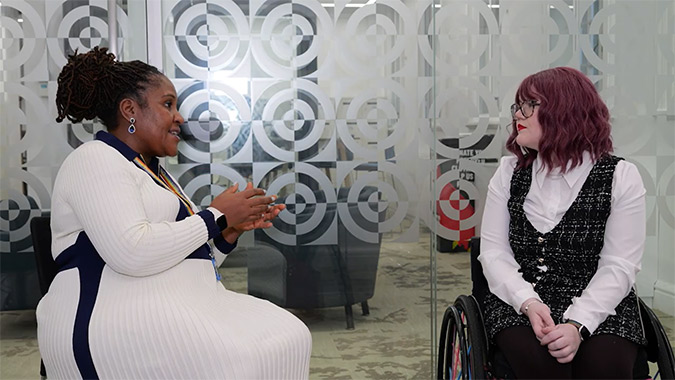
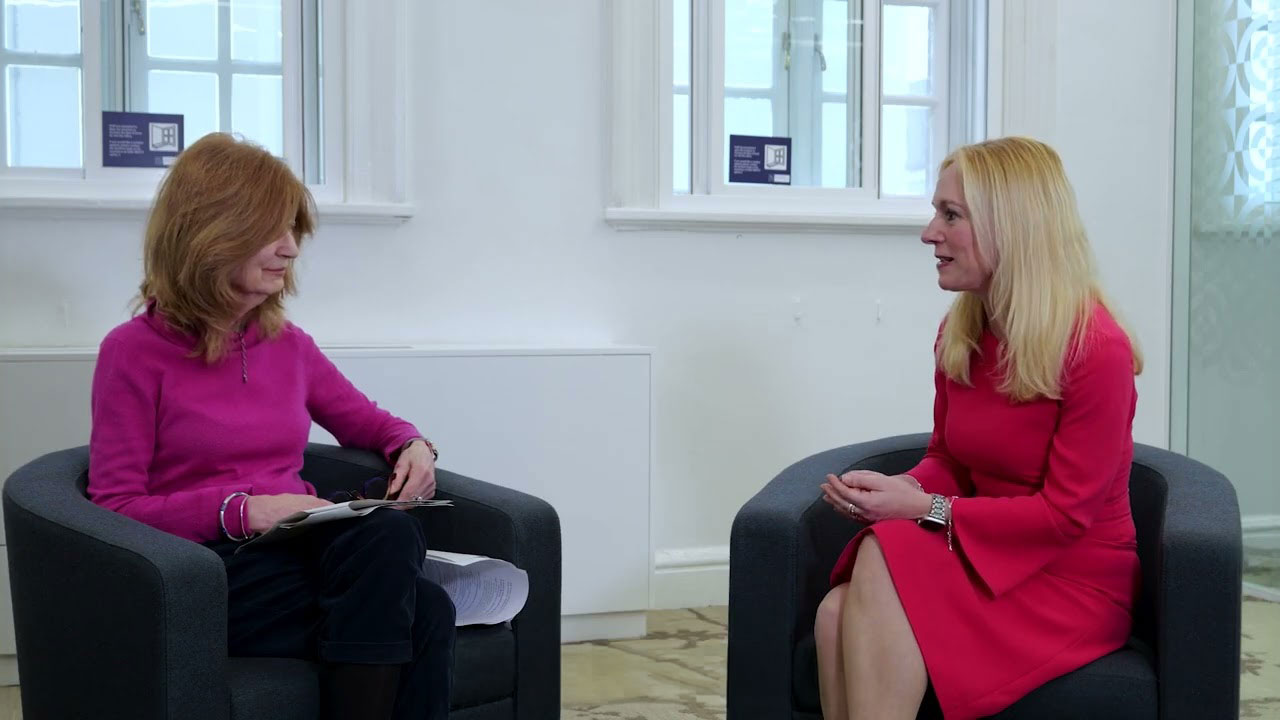
Read our report
You can read our joint report with the Patient's Association here.
"It shouldn't be this hard": Solving the NHS maze for patients and GPs (PDF file, 323 KB)

Patient campaign practice toolkit
This toolkit contains resources to support members in engaging with their patients about RCGPs joint report “It Shouldn’t be This Hard”, and the accompanying petition.
This report and petition emphasise what our members have been saying for years - that GPs and patients are face the same frustrations and want the same things: an NHS system which is well resourced, easily navigable, and patient centred.
Both GPs and patients can sign our petition. We need 10,000 signatures by 14th October to secure a response from Government. By sharing the resources below, we can demonstrate to the Government that patients and their doctors agree that:
- Every patient should find the NHS easy to navigate.
- Every patient should be able to see their GP when they need to.
- Every patient should be able to access their information and track referrals via user-friendly systems.
Please ensure compliance with all applicable data protection laws when contacting patients. Direct outreach is only permitted where patients have consented to receive marketing communications from your practice, such as newsletters. Toolkit materials must not be shared through SMS or the NHS App.
Ways to share the campaign with your patients
Play our ‘Navigating the NHS Maze’ animation on your surgery's waiting room screens. It explains the campaign recommendations.
- Watch the 'Navigating the NHS maze' animation on YouTube
- Download the waiting room graphic Design (Zip File, 473 KB)
Download and print these flyers to share with patients in your surgery.
Show your support online, use the copy below on your practice website.
(Insert name of surgery) is supporting RCGP and the Patients Association in sharing their report “It shouldn’t be this hard”: Solving the NHS maze for patients and GPs (PDF File, 323 KB)
The report draws upon engagement with patients and GPs and makes the following recommendations:
- Every patient should find the NHS easy to navigate.
- Every patient should be able to see their GP when they need to.
- Every patient should be able to access their information and track referrals via user-friendly systems.
These changes would help us spend more time focusing on what matters most; providing you and your family with the care you need.
RCGP have launched a petition calling for the Government to involve patients and GPs in the co-design of better NHS pathways, and employing enough GPs to be able to make this happen.
Please consider adding your signature- 10,000 signatures are needed to secure a Government response: https://petition.parliament.uk/petitions/762586
Help your patients find out more about the campaign by sharing it on your practice's social media channels.
Use the ready-made posts below or adapt them to suit your practice and audience. You can also download campaign graphics for Instagram, LinkedIn, Facebook and X.For Instagram
For too many patients and GPs, accessing NHS care can feel like a maze of dead ends and detours.
We’re supporting the Royal College of General Practitioners (RCGP) and the Patients Association in calling for:
- An NHS that is easy for everyone to navigate
- Enough GPs so patients can see their GP when they need to
- User-friendly systems so patients can access their information and track referrals
Help us make the NHS easier to navigate. Sign the RCGP petition today.
[Sign the petition]
Require Government to co-design better NHS care pathways and to employ more GPs - Petitions
Graphics for Instagram posts
- Patient campaign (Instagram post) Design 2 (PNG File, 77 KB)
- Patient campaign (Instagram post) Design 3 (PNG File, 77KB)
_Design-2-opt.png)
_Design-3-opt.png)
For LinkedIn
For too many patients and GPs, navigating NHS care can feel like a maze of dead ends and detours.
We’re supporting the Royal College of General Practitioners (RCGP) and the Patients Association in calling for improvements that would make NHS care easier to navigate for patients and GPs.
We are calling for:
• An NHS that is easy for everyone to navigate
• Enough GPs so patients can see their GP when they need to
• User-friendly systems so patients can access their information and track referrals
Find out more and sign the RCGP petition:
[Sign the petition]
Graphics for LinkedIn posts
- Patient campaign (LinkedIn post) Design 2 (PNG File, 54 KB)
- Patient campaign (LinkedIn post) Design 3 (PNG File, 46 KB)
_Design-2-png-opt.png)
_Design-3-png-opt.png)
For X
For too many patients and GPs, accessing care can feel like a maze.
Join the RCGP in calling on the Government for a health system that is easy to navigate for all.
Sign RCGP’s petition today. ➡️ https://petition.parliament.uk/petitions/762586
For local Facebook groups
Hello everybody. My name is (name and title) I wanted to let you know about a recent report from the Royal College of General Practitioners and the Patients Association.
I’m sure all of you will have experienced the frustration of trying to navigate the NHS maze. This is a frustration shared by GPs, who just want to care for their patients but instead find themselves putting out fires and fighting against dead ends and detours.
This report, and the accompanying petition, call for the Government to listen to the patients and GPs who are asking for:
A health system that easy to navigate for all
Enough GPs so patients can see their GP when they need to
User-friendly systems so patients can access their information and track referrals
You can read the full report, as well as hear patient stories here: https://www.rcgp.org.uk/representing-you/patient-campaign
If you agree, please consider signing the petition here: https://petition.parliament.uk/petitions/762586
Graphics for Facebook posts
- Patient campaign (Facebook Post) Design 1 (PNG File, 91 KB)
- Patient campaign (Facebook Post) Design 2 (PNG File, 80 KB)
- Patient campaign (Facebook Post) Design 3 (PNG File, 65 KB)
_Design-1.png)
_Design-2.png)
_Design-3.png)
If you have a patient newsletter you can use the copy below to let patients know about the campaign.
(Insert name of surgery) is supporting the Royal College of General Practitioners (RCGP) and the Patients Association in sharing their report, “It shouldn’t be this hard”: Solving the NHS maze for patients and GPs.
This report is based on feedback from both patients and GPs and highlights some important priorities for improving care:
- Making the NHS easier for patients to navigate
- Ensuring patients can see their GP when they need to
- Providing simple, user-friendly systems so patients can access their information and track referrals
These changes would help us spend more time focusing on what matters most; providing you and your family with the care you need.
The RCGP has also launched a petition calling on the Government to involve patients and GPs in designing better NHS services, and to ensure there are enough GPs to meet demand. If you would like to support this, you can add your signature.
Reaching 10,000 signatures will secure a Government response: https://petition.parliament.uk/petitions/762586
At the next meeting of the Patient Participation Group you could talk about the report and petition and their reflections of the issues raised from their local perspective. You can use our invitation copy below.
Dear (PPG member name),
On behalf of (name of surgery) I would like to invite you to attend an upcoming PPG meeting to discuss the recent report “It shouldn’t be this hard”: Solving the NHS maze for patients and GPs, published by the Royal College of General Practitioners (RCGP) and the Patients Association.
The report highlights key challenges patients face when accessing NHS services and sets out recommendations to improve access and navigation. We will also be sharing information about the related petition, which calls for patients and GPs to be involved in designing better NHS pathways and for sufficient GP staffing to meet demand.
Meeting details:
- Date: (insert date)
- Time: (insert time)
- Location: (insert location/online link)
Your views as a PPG member are very important to us. This meeting will be an opportunity to:
- Share your experiences of accessing NHS services Discuss the report’s recommendations
- Help shape how our practice can support improvements locally
- Consider whether and how to support the petition
We hope you can join us and look forward to hearing your views.
Kind regards,
(Your name, your surgery)
Thank you for your feedback. Your response will help improve this page.