
Solving the NHS Maze
Published on 15 April 2026
Net zero
“It is nothing if it is not patient-centric.”
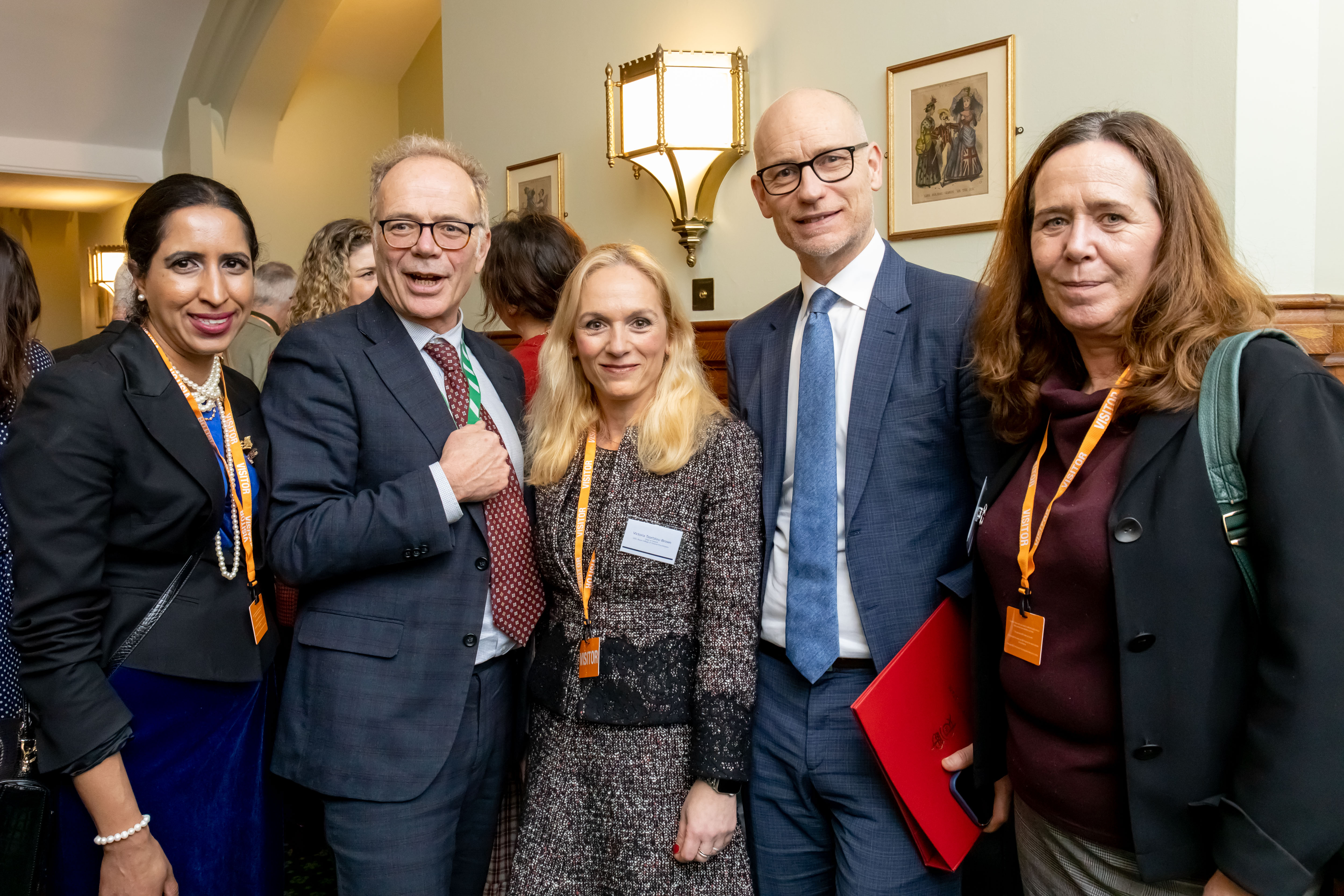
These are the words of Stephen Kinnock, Minister of State for Care, addressing the parliamentary launch event for a new joint report from the RCGP and Patients’ Association, stressing how vital it is to have patients at the heart of health policy development.
The report is the result of work to bring together patient and GP perspectives on the NHS and look for common challenges and co-design solutions.
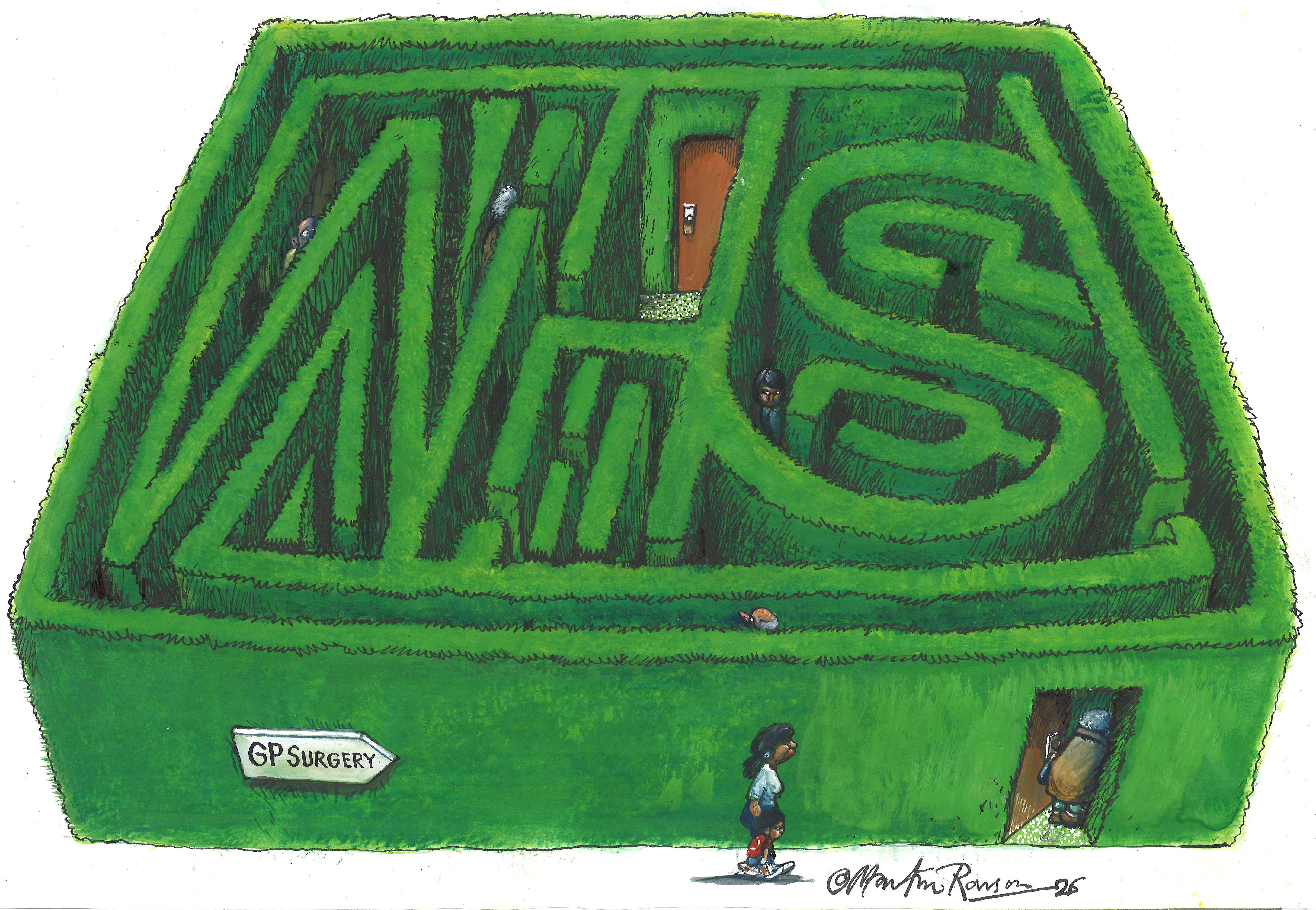
The report found both patients and GPs found that the NHS can be a ‘maze’ and put forward key recommendations for better and more accessible care. Central to these recommendations is the concept of patient agency; the ability of patients to understand, navigate and influence their own care. It states:
Every patient should be able to navigate their care: patients and GPs must be equal partners in co-designing care pathways, so they reflect real experiences and needs. The NHS must provide clear and consistent information about how to access services and what to expect, so patients feel informed and empowered in decisions about their healthcare.
Every patient should be able to see their GP when they need to: governments across the UK must set out clear plans to boost workforce numbers and provide sufficient funding for GP recruitment and retention so patients can access care when they need it - and to improve continuity of care.
Every patient should be able to access information about their care: patients and GPs must be equal partners in designing simpler, user-friendly systems to allow patients to see key information about their care, including being able to easily track specialist referrals.
The report was launched at a well-attended parliamentary event in February, which brought together MPs, GPs and patient advocates to underline why these issues must be addressed together.
Opening the event, Simon Opher, Labour MP for Stroud and a former GP, stressed that continuity of care is something both patients and GPs want, and that building long-term relationships is central to delivering it.
Kinnock followed, outlining how co-production must be central to the government’s 10-year Health Plan. He outlined priorities including increasing GP capacity, improving recruitment and retention, reforming the GP contract, and introducing greater flexibility in reimbursement schemes. Despite rising demand and pressure, he noted that general practice continues to perform exceptionally.
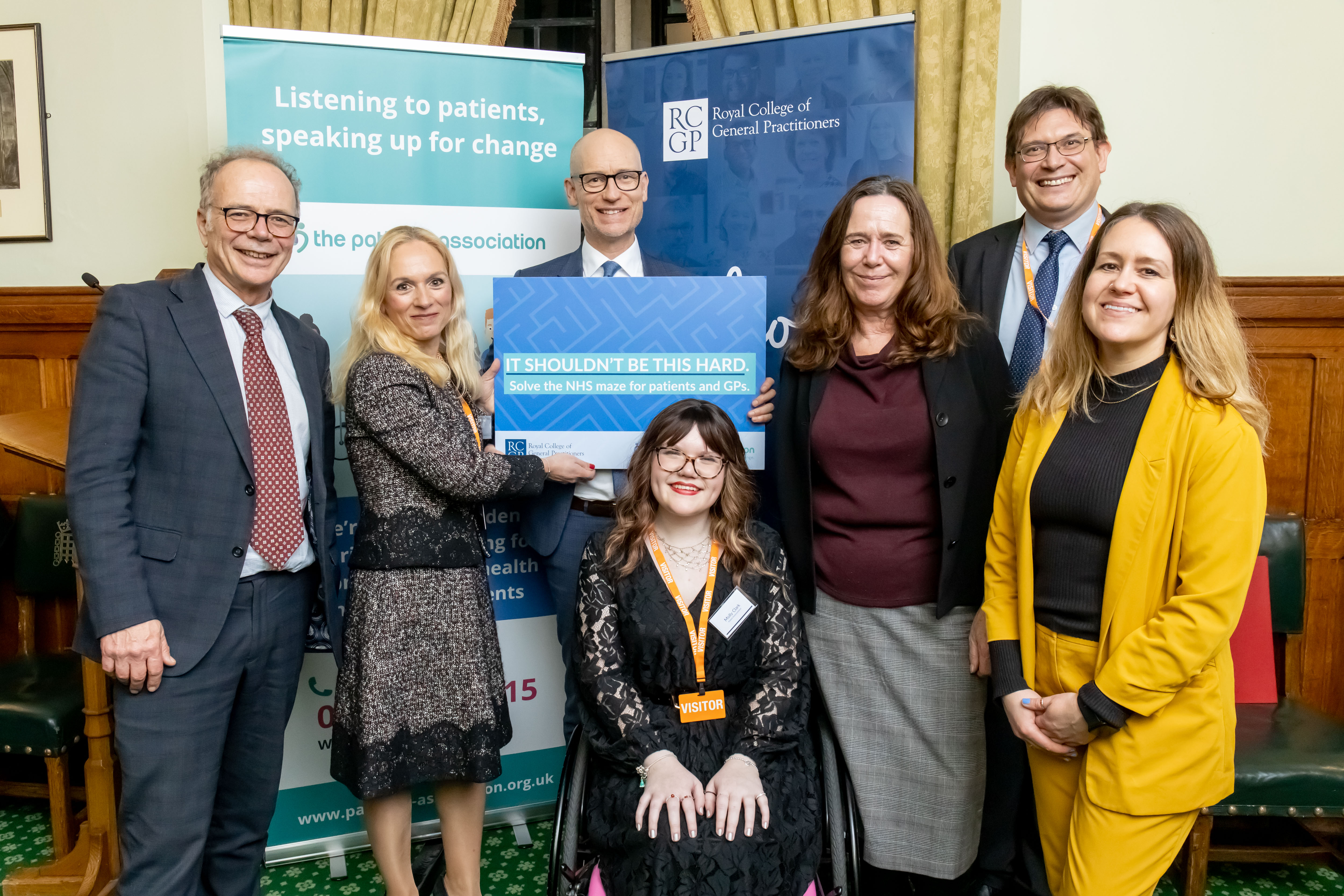
Speaking on behalf of the RCGP’s 54,000 members, College Chair, Professor Victoria Tzortziou Brown described how GPs across the country encounter the “maze” in consulting rooms daily. She explained that administrative work now accounts for around a quarter of GP working time, even as patient demand continues to rise, and that without tackling soaring patient-to-GP ratios, neither access nor continuity can be sustainably improved.
“The NHS does not need to be simple,” she said, “but it does need to make sense”. She also argued that technology should complement care, not complicate it, and digital progress must never mean digital exclusion.
Read more
Unlocking green investment for GP practices
5 min read
.jpg?width=300&height=300&ext=.jpg)
RCGP Scotland: making the headlines
5 min readThank you for your feedback. Your response will help improve this page.