
General practice to the fore as Wales decides
Published on 15 April 2026
RCGP Scotland election: Making the headline
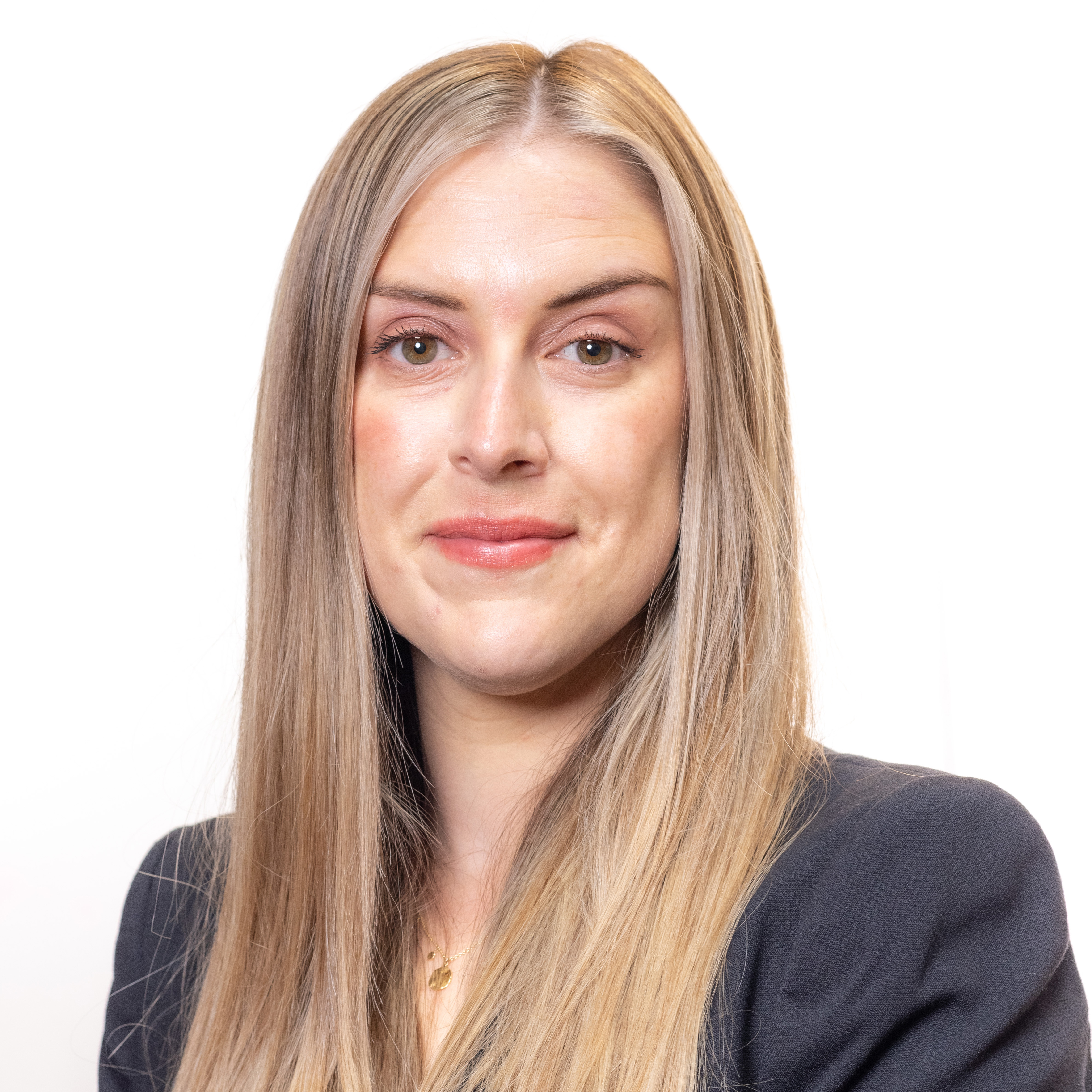
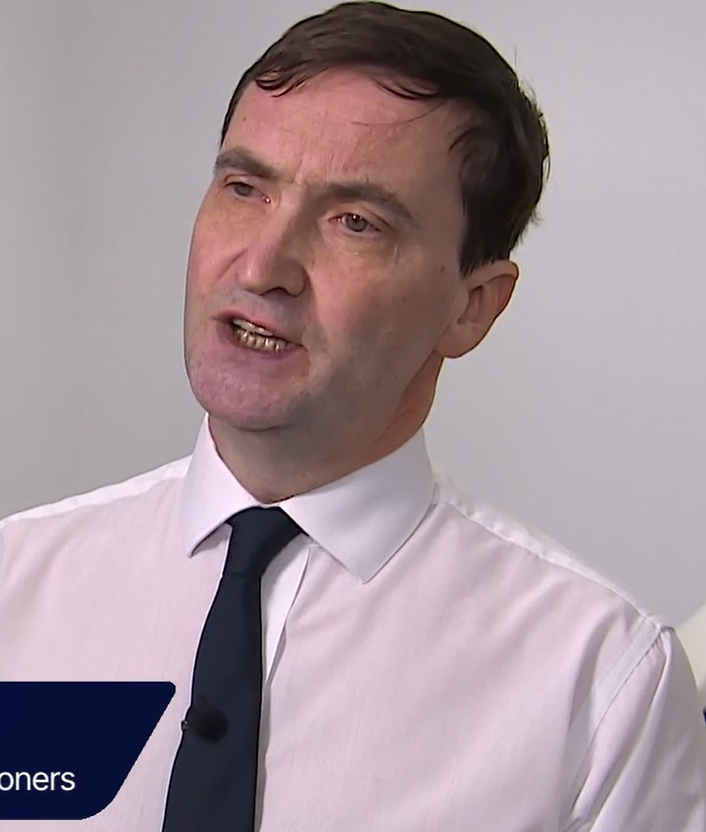
Welsh Labour
Sarah Murphy MS, Minister for Mental Health and Wellbeing of Wales.
What do you see as the key challenges facing general practices and their patients?
The public greatly value and trust their GP – for the majority of people, they’re their first port of call when ill. Every month, GP practices provide around 1.6m appointments, which is equivalent to half the population being seen. But we know that sometimes people can struggle to make an appointment.
Our priority is to continue to invest in GP services, building on this year’s contract negotiations, which provides almost £42m for general practice. We will also continue to move more health services into local communities, making it easier for people to receive care as close to home as possible.
If your party wins the next election, how do you think general practice will look in five years' time?
In five years, we want general practice to continue to be at the heart of the NHS. We want Wales to be an attractive place for GPs to train and work – and for practices to have a sustainable future as part of a wider integrated primary and community care service.
Wales has been at the forefront of changes to primary care across the UK and we can be proud of the work we have done together. There will be more to come, with GPs more closely involved in decisions about services; new community-based services and a greater use of technology.
What one message would you like to send to GPs?
First, a huge thank you for all of your tremendous hard work, day in day out. We value the work you do. I am truly optimistic for the future. You have two governments [Welsh and UK Governments] working together who value public services and will fight to protect and properly fund them.
We have achieved a lot over the last five years. There is more for us to do together but we have begun a new chapter.
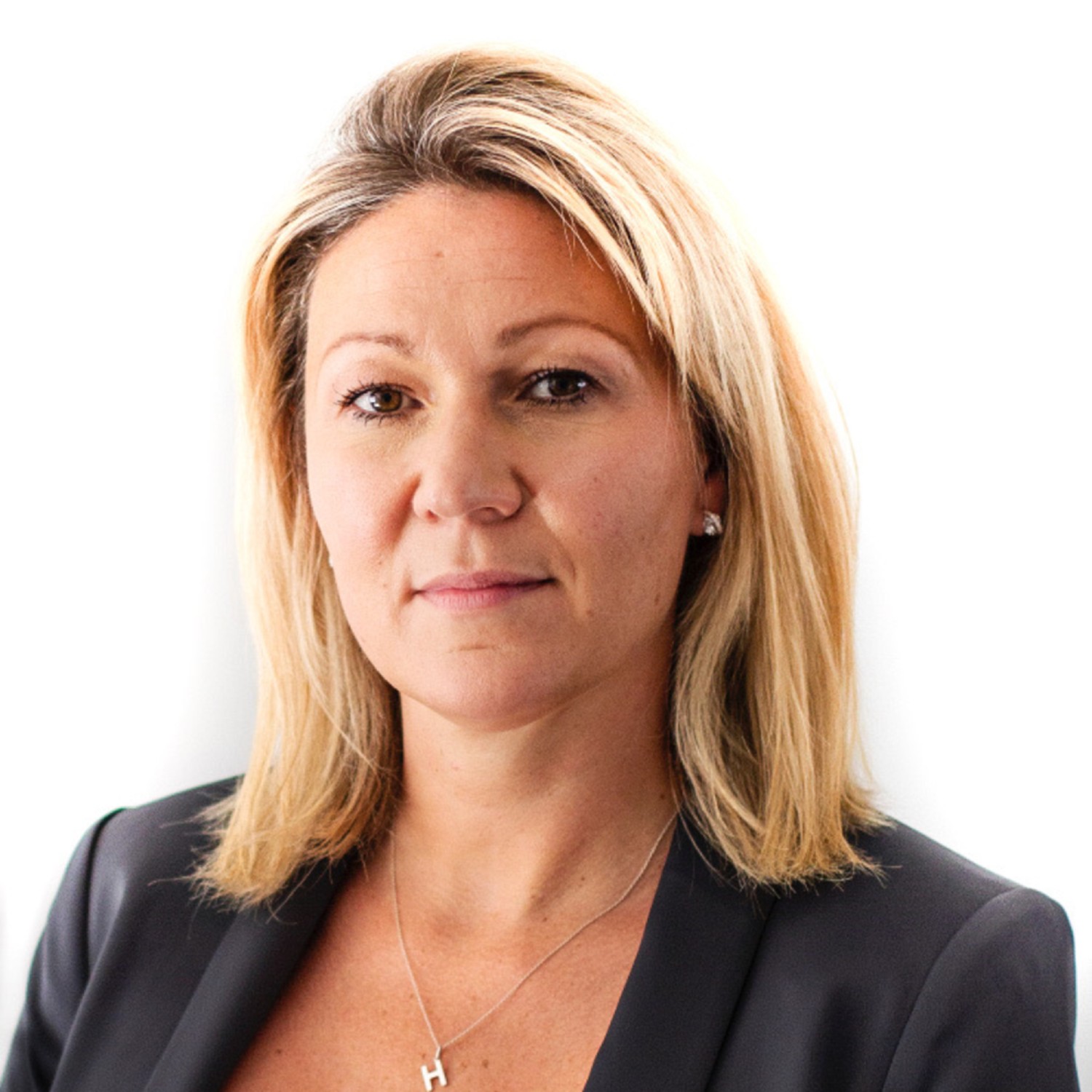
Reform UK
Laura Anne Jones, MS
What do you see as the key challenges facing general practices and their patients?
Our NHS is part of our national story, particularly here in Wales. Despite the smears some other parties like to level at us, Reform are absolutely clear that we would never privatise our NHS.
And it's impossible to overstate the role GPs play in our NHS. After all, every £1 spent funding general practice saves £3 of hospital spending. But the fact is that many GPs have an unmanageable workload, are having to work far beyond their hours to complete administrative tasks and feel like they are delivering conveyer-belt care, rather than the community-based, relationship-based care most aspire to.
The problems facing our NHS and our GPs are complex and many-sided. But one thing is clear: we have to grow our GP workforce. The workloads in general practice are putting enormous pressure on GPs and their wellbeing, and this is only getting worse as we see a decline in GP practices in Wales.
If your party wins the next election, how do you think general practice will look in five years' time?
To grow our workforce and reduce workloads, we have to look at the issues we have with training bottlenecks. We have a great number of doctors coming out of their foundation years who want to train to become GPs, but face huge competition for places where they want to settle down. For many prospective trainees, this will lead them away from general practice or, as we see with many of our young doctors, away from Wales and the UK entirely.
So, increasing training places is vital. If we can get more GPs training and working, we can reduce the workload, improve retention, and satisfy the demand we have across Wales for access to GPs. The fact is that the fewer GPs we have, the larger the GP workload, and the fewer trainee GPs that can be supervised.
What one message would you like to send to GPs?
This self-perpetuating cycle needs to be broken, so we can get our GPs back to delivering the relationship-based care we all want.
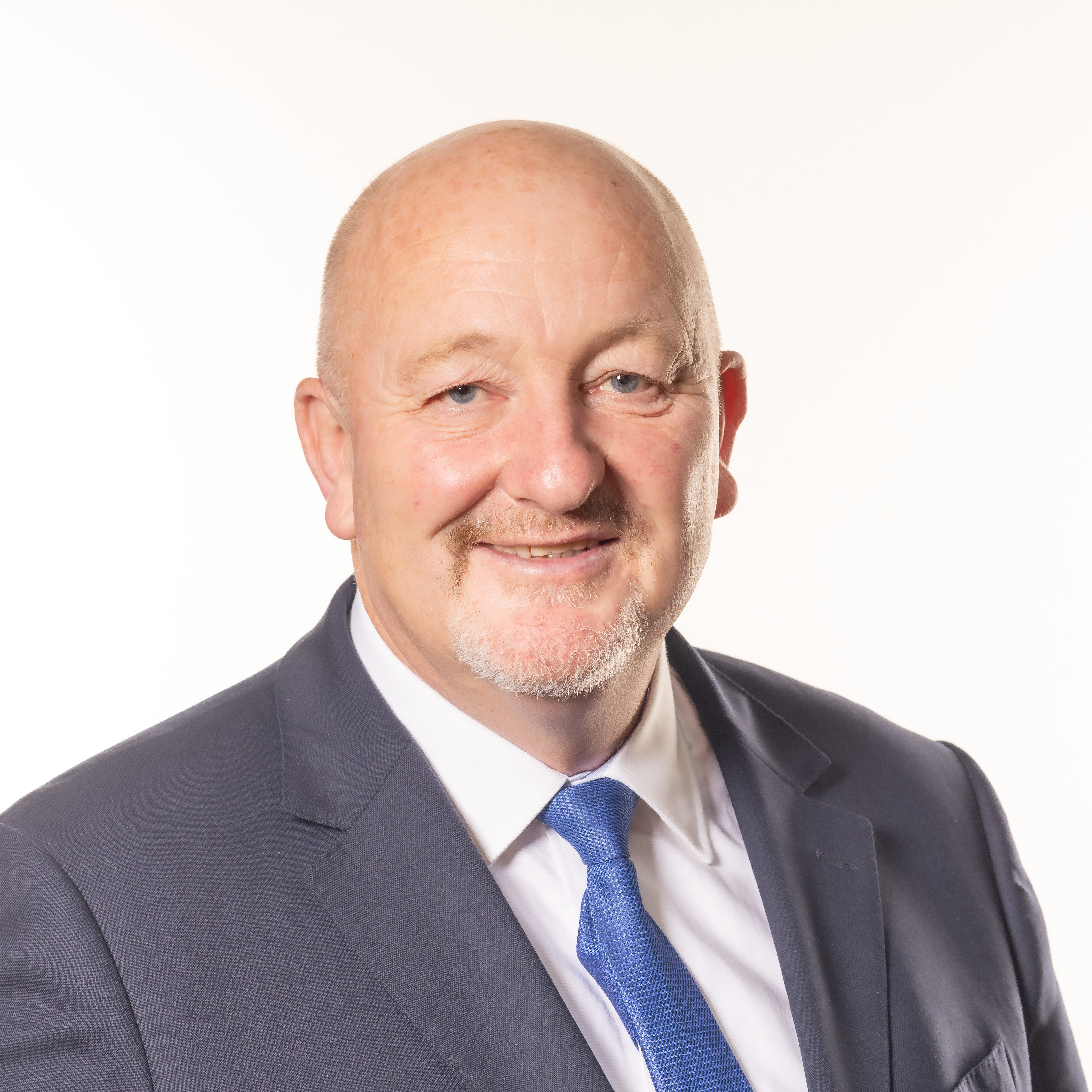
Welsh Conservatives
Peter Fox MS, Shadow Cabinet Secretary for Health and Social Care
What do you see as the key challenges facing general practices and their patients?
Workload. Our GPs are stretched thin, with the majority now considering leaving the profession altogether in the coming years, exacerbating the pressures on those that remain. What our GPs need is genuine support to remain in their roles and do what they do best.
With primary care under-resourced and undervalued, successive Labour-run administrations have chosen to prioritise secondary care. Unlike Labour and others, we understand that those pressures can be largely alleviated by supporting our GPs.
The Government wastes taxpayers’ money on vanity projects, when the focus should be on addressing the fact that we’ve lost over 100 GP practices in little over a decade.
If your party wins the next election, how do you think general practice will look in five years' time?
The Welsh Conservatives would finally treat the front door of the NHS as a priority.
By declaring a health emergency, we will be able to angle the entire apparatus of Government at these acute pressures, unlocking additional funding so that we are ultimately able to guarantee seven-day maximum waits for GP appointments within the next five years, as part of a more balanced Welsh NHS.
GPs would feel supported, with new ways of working and a strengthened workforce allowing them to focus on what matters most – seeing patients and having the capacity to treat and signpost them properly.
What one message would you like to send to GPs?
Only the Welsh Conservatives can be trusted to finally prioritise primary care and GP services, while keeping the NHS free at the point of delivery. You are right to be frustrated with how Welsh Labour have mistreated your profession over their many years in Government, but we must remember that they have been enabled by Plaid Cymru and the Liberal Democrats.
In the Welsh Conservatives, you have a Party with genuinely radical propositions - formulated with input from professionals like yourselves. We will readdress the primary care funding imbalance and greatly improve GP recruitment and retention.
Plaid Cymru
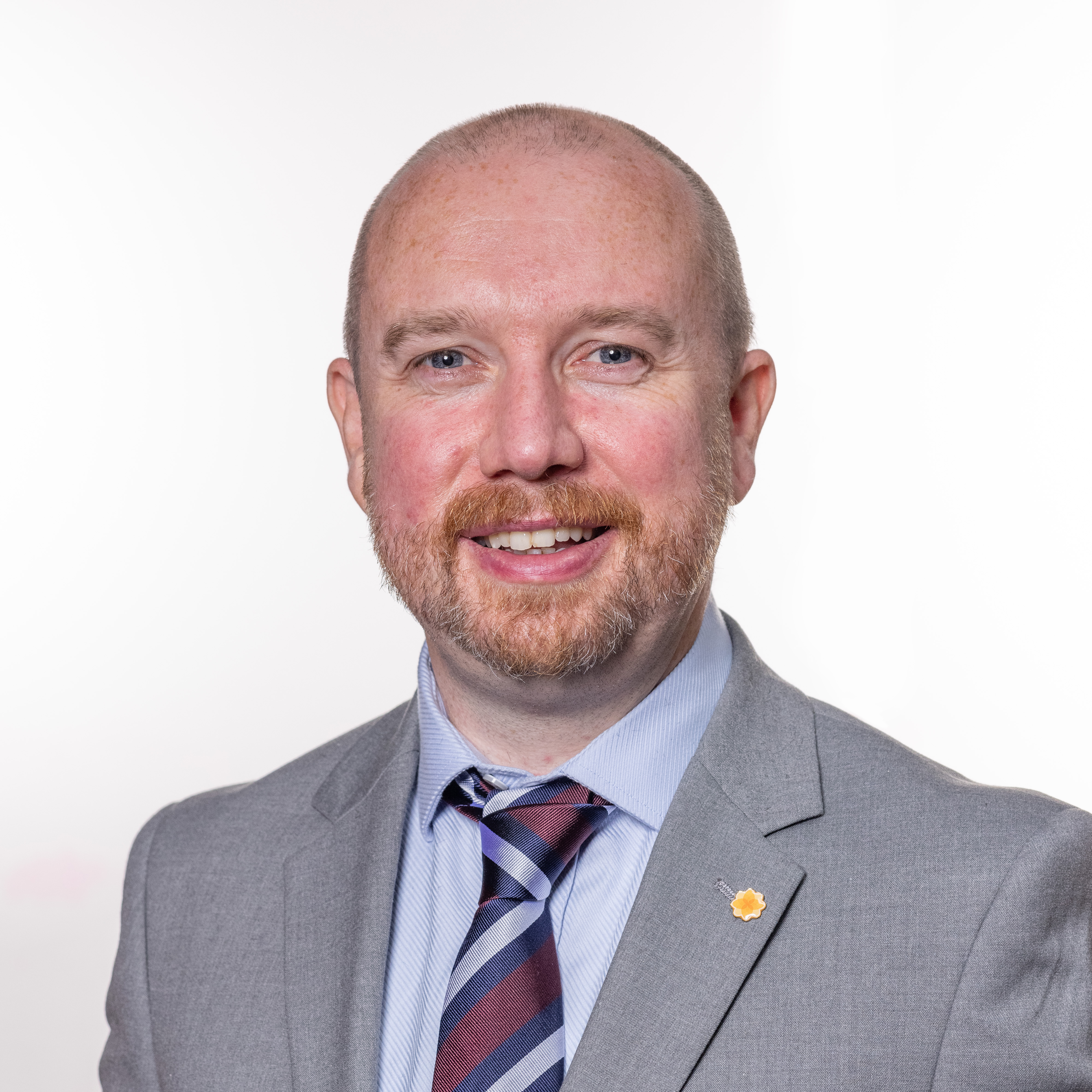
Mabon Ap Gwynfor, MS
What do you see as the key challenges facing general practices and their patients?
Prolonged underinvestment in GP services has caused a dramatic contraction in the number of GPs working in Wales – while practices are having to contend with increasingly challenging overhead costs. This in turn has adversely affected the accessibility of appointments for patients, which has broader implications for early diagnosis and the preventative agenda. The current GP workforce is also having to deal with increasingly unsustainable workloads, leading to burnout, demoralisation, and retention issues. Simply put, current resourcing for general practice does not adequately reflect its position as the level of the health services where over 90% of patient contact takes place.
If your party wins the next election, how do you think general practice will look in five years' time?
The long overdue shift of Government resources towards general practice will have begun in earnest, with the proportion of the health budget devoted to General Medical Services (GMS) having moved far closer to its historic level of 8.7% by 2030, and on course to exceed this level by the end of the following Senedd term.
This sustained investment will ensure we will have more GPs and practices in Wales, with regional and social inequalities in terms of patient access to treatment having been reduced. By 2030, there will be at least 100 more GPs working in Wales, and we will have plans in place to increase this number further to 500 over the following Senedd term.
We will also have commissioned a review of the Carr-Hill Formula to underpin this work, and rolled out technological innovations to reduce administrative burdens on practices.
What one message would you like to send to GPs?
A Plaid Cymru Government will be the strongest and most consistent champion of GPs in the history of devolution - because the future of the health service depends on it.
Read more
RCGP Scotland: making the headlines
5 min read
Stepping up to GP partnership
3 min read(1).jpg?width=1430&height=1610&ext=.jpg)
An IMG’s journey
3 min read
Captured in time
3 min readThank you for your feedback. Your response will help improve this page.