
Captured in time
Published on 15 April 2026

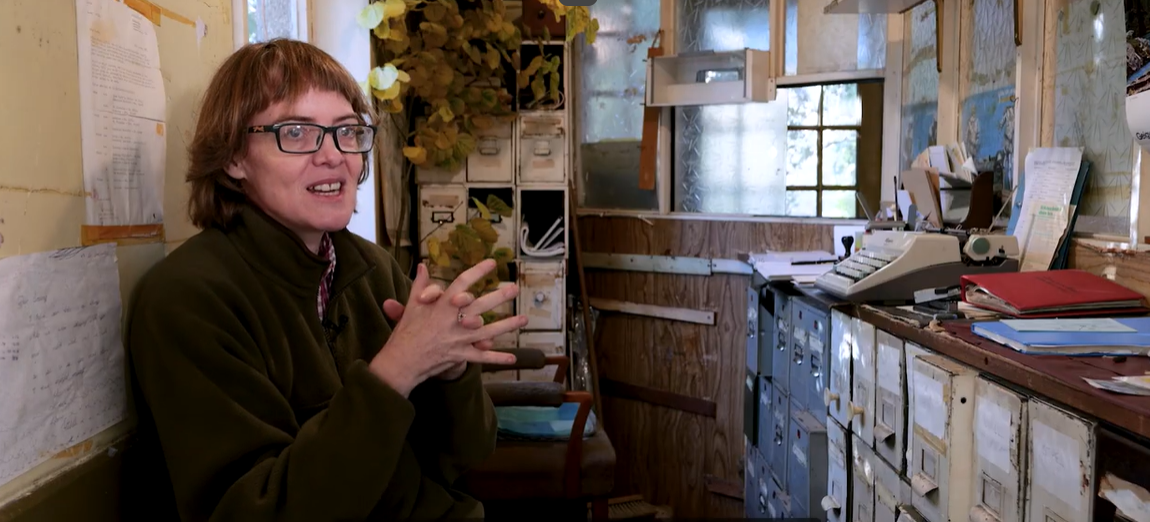
RCGP archivist Hanna Polasky explores a recently discovered GP practice ‘time capsule’ from the 1980s.
So much of what we see on a daily basis is temporary; the flyers we see on a notice board that get thrown away after an event, pamphlets that are handed out or left in building common spaces, safety posters that get replaced when new standards are written. Most of these mundanities do not survive to enter into the historical record.
What happens, then, when the artist granddaughter of a GP finds his former surgery nearly untouched after nearly 40 years? This is the position Charlotte Mann, granddaughter of Dr Charles Carey, a GP of more than 50 years who died in 1980, found herself in. She resolved to showcase his former surgery at 179 Burnt Ash Hill house in Southeast London nearly in situ.
Upon walking in through the patient entrance to the former surgery, visitors found Charlotte acting as surgery receptionist, taking down names in the old logbook from Dr Carey’s practice. Posters from old health campaigns lined the walls and invited visitors to take a glimpse into the history of general practice in London. There were pamphlets with information relating to different health concerns, both reminiscent and strikingly different to the ones patients can pick up today, in a waiting area that felt stuck in the 1980s.
Many of the items that Charlotte chose to have on display are perfect examples of the ephemeral details of daily life in a GP surgery that often get missed when an archival collection is deposited in an institution. They are the detritus that ends up in a bin or skip once they are out of date, the posters never meant to last, and the sights we all see every day, and then forget. These are the types of materials that archivists strive to save and protect from the ravages of time.
This is why the College is delighted that 179 Burnt Ash Hill house’s contents are largely going to be donated to the RCGP Heritage Collections now that Charlotte’s exhibition is over. They will join more than 2,000 historical medical objects, 400 rare and historic books, and 1,600 boxes of archival materials held by the RCGP in a collection that documents changes across medical knowledge and practice over the last 350 or so years.
One of the oldest books held by the College is The Practice of Physick in 17 Books by Lazarus Riveruis (1658), a hefty tome that covers everything from what we would consider to be general practice to what might even be considered witchcraft in our modern world. The treatments outlined within range from poultices that contain lead and mercury, to blood-letting and surgical interventions that few patients could survive.
Our more modern objects include doctors’ bags from the last 100 or so years, 19th century amputation kits, the original College silver cutlery, and several discreet collections of objects from specific medical practices. These medical objects accompany our archival collection, which holds both rare manuscript letters from before the foundation of the College (from both Dr. Joseph Lister and Florence Nightingale!), as well as reports, work, historic membership records, and publications by RCGP itself.
Dr. Carey’s work and its ephemeral remains will join these, and be properly preserved and entered into the historical record.
Read more
.jpg?width=1185&height=1620&ext=.jpg)

Thank you for your feedback. Your response will help improve this page.