Advocating for women’s health one word at a time
Published on 15 April 2026
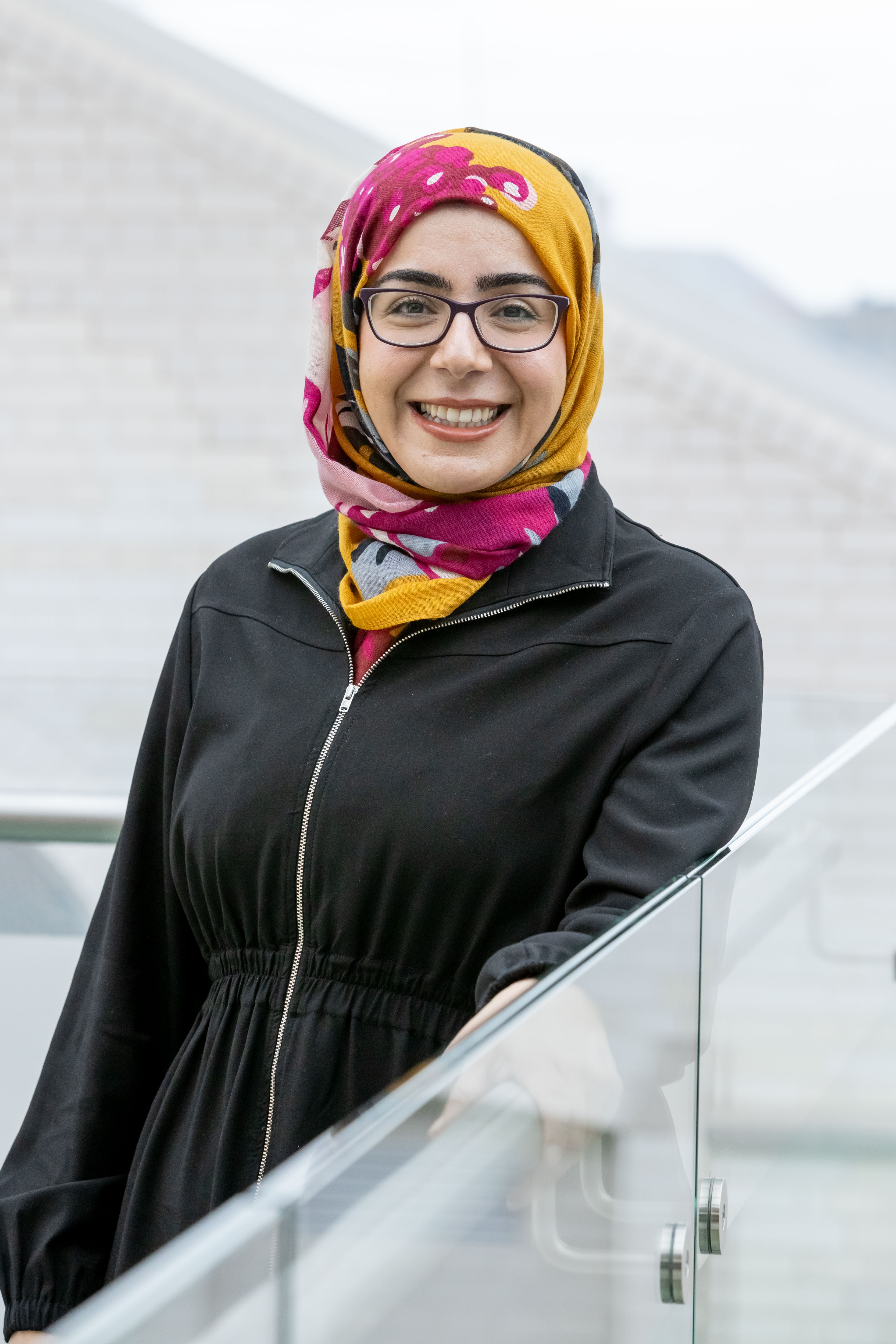
One of Dr Aziza Sesay’s patients came to see her with “leg pain”. Only later did the real story emerge. For six months, the woman had been living with relentless vaginal itching, but she couldn’t bring herself to write it down.
Another patient delayed seeking help for a vulval lump until the pain became unbearable. She was later diagnosed with late-stage vulval cancer.
“These aren’t rare stories,” says Dr Aziza Sesay. “They’re about shame, stigma and embarrassment. Women would rather live with symptoms than say the words.”
For Aziza, a GP, educator and women’s health champion, language is not a soft skill. It is clinical practice. And sometimes, it is life-saving. She works as an NHS GP in a predominantly South Asian Muslim community in the West Midlands, but is clear that silence around women’s health is not confined to any one group. It crosses cultures, religions and generations — including older women who still find these conversations deeply uncomfortable.
“We don’t talk about what’s normal and what’s not,” she says. “So, people assume suffering is just part of being a woman.”
That silence has consequences: heavy menstrual bleeding dismissed as routine, iron-deficiency anaemia overlooked, and conditions such as fibroids, endometriosis and adenomyosis diagnosed later than necessary.
But Aziza is clear that the problem is not culture alone. It is also medicine.
“Medical misogyny exists,” she says plainly. “We know women often feel dismissed. When they don’t feel listened to, they stop coming forward.”
Her response has been to start with the basics: naming anatomy accurately and confidently - vulva, vagina, clitoris - without euphemism or apology.
“If we’re uncomfortable saying the words, patients will be too,” she says. “We have to deal with our own discomfort first.”
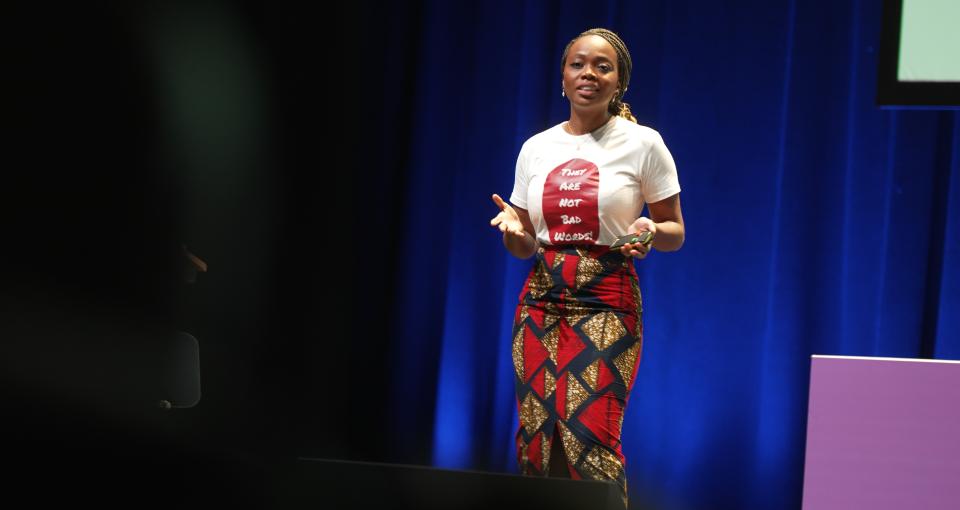
Her approach extends beyond the consulting room. Through her widely followed social media platform, Aziza shares clear, accessible education on women’s health — using the same direct language to challenge stigma and reach audiences who may be less likely to seek help in a clinical setting.
Aziza is particularly passionate about the everyday language used around menstruation. She avoids terms such as “sanitary towels” and “menstrual hygiene”.
“We don’t say sanitary toilet paper,” she says. “The word sanitary implies that periods are dirty. They’re not.”
Instead, she uses “menstrual health”, framing menstruation as a biological process rather than a hygiene issue.
“Periods are the shedding of the uterine lining when pregnancy hasn’t occurred,” she explains. “They’re part of the cycle of life. But when we frame them as unclean, we reinforce shame.” That shame, she says, starts early and is inherited across generations.
At home, Aziza lives the values she brings into her consulting room. Her seven-year-old daughter can confidently name the parts of her vulva. Her four-year-old son knows what periods are. When he once noticed blood while she was changing a pad, he asked what it was. She explained, calmly and honestly. Reassured, he went back to playing.
She contrasts this moment with the experiences of countless women who start their periods frightened and confused, convinced something is wrong because no one prepared them. For Aziza, this is where language becomes more than education; teaching correct anatomical terms builds body confidence, but it also protects. Research shows that children who can accurately name body parts are better able to describe harm and seek help, making them less vulnerable to exploitation.
Change, she acknowledges, is rarely immediate. When she first shared educational content online, even members of her own family were shocked.
“They thought I was being inappropriate,” she says. “Now they share the videos.”
In her practice, cervical screening uptake remains low. Rather than accept this, Aziza recently invited patients who had not attended for screening to a free educational session explaining what happens, why it matters and answering questions openly.
“We underestimate word of mouth,” she says. “Empower a few, and they empower others.”
Her advice to colleagues is simple: be precise, be confident, and don’t flinch. Use correct terminology. Clarify rather than assume. Create space for discomfort without reinforcing it.
“If you say the words like they’re normal, patients learn they’re normal,” she says.
In a healthcare system struggling with inequalities in women’s health outcomes, Aziza’s work is a reminder that progress does not always begin with policy. Sometimes, it starts with saying the words out loud and meaning them.
Thank you for your feedback. Your response will help improve this page.