Tirelessly tackling child health inequality at home and overseas
Published on 15 April 2026
.jpg?width=2739&height=3333&ext=.jpg)
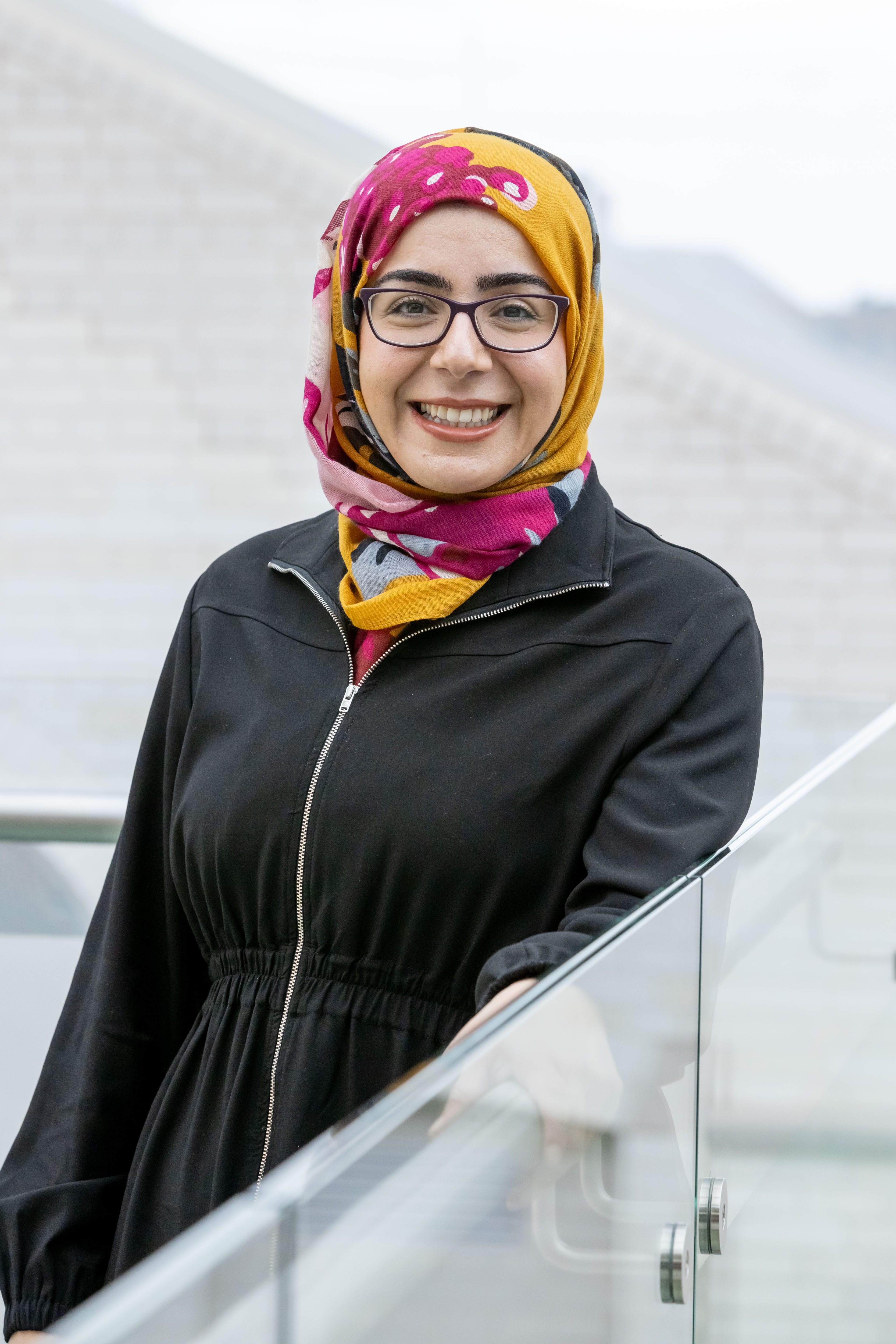
Dr Amina Al-Yassin, lead College representative for children and adolescent health, has been a GP for less than five years. Yet the impact she is having in improving child health is seriously impressive.
Having first started training in paediatrics, child health had always been her focus, but being a GP allows her to have a different impact, one in which she can take in the bigger picture, working with families and in the community, she explains.
“I still work closely with paediatricians now, so I'm back in so many of the same meetings, but from a completely different angle that feels like a better fit for me,” she says.
Much of the impact she is having comes from her role as clinical director for children's services in Brent's Integrated Care Partnership. In just 15 months, working one session a week, she's been involved in establishing eight child health hubs, developing multiple locally enhanced services (LES) for children, and creating new link worker roles.
Clinical leaders bring a certain amount of practicality to the commissioning process, she believes. “You know whether this is going to land with your patients because you're seeing them every day.” The piece of work she is particularly proud of is the introduction of innovative health checks for children aged six to ten years. Available to all children, practices are incentivised to prioritise the poorest 20% of postcodes.
As well as height, weight and whether immunisations are up to date, questions are also asked about household smoking, mould, fuel bills and food security. Their latest data shows those who've had the health check are 20 times more likely to be referred to a social prescriber and five times more likely to receive catch-up immunisations. Referrals to child weight management services have increased by 150%. “That tells me we're identifying issues we didn't know about previously,” she says.
To support follow up of social issues which GPs do not have the time or expertise to address, they have also introduced children and young people's link workers. She provides the example of twins who were severely obese with significant dental decay, and, she realised during a consultation, were not attending school. Link workers registered the children at a library, scheduled a dentist appointment and got them reinstated on the school waiting list after discovering they had fallen off entirely.
“As a GP I found the tip of an iceberg but wasn't able to do much below the surface,” she reflects.
Amina had the first of her three children at the age of 25 while in the midst of foundation training. She can trace her interest in child health inequalities to sitting on the postnatal ward with her newborn and realising the infants in the room were going to end up having such different lives:
“I think the thing that really fuels me is the idea that every child when they're born is almost the same, and then they end up having such different life trajectories - and I believe every child has the right to thrive, regardless of their circumstances.”
In Brent’s child health hubs, GPs and paediatricians work together in the community. Some MDT meetings can also include mental health services, health visitors, school nurses, and local charities. That joined up thinking saves everyone time in the long run and is a better way of providing care for those with chronic and complex needs, she explains.
On a national scale she is working with Barnardo's, a charity that supports vulnerable children, to design a scheme to place family wellbeing workers in some of Birmingham's most deprived surgeries. The workers, recruited just before Christmas, will help with housing issues, school attendance problems, and targeted work on vaccination uptake and A&E use.
Amina was born to parents from Iraq and Lebanon and moved to the UK when she was two years old. Since 2018, she's been involved with Iraq's largest orphan charity, Al-Ayn. Through their Hikayati project, she developed a programme to teach bereaved children confidence, resilience, emotional intelligence and vital life skills. Now 600 children have graduated, with a 70% of those who had dropped out returning to school - often young girls from poor families who might otherwise face early marriage or manual labour, she explains.
With her eldest child now 13 years and her youngest aged two, Amina says the mix of clinical work, leadership and charity helps protect her from burnout. But she is concerned about the cuts facing clinical leadership positions across ICBs. “Clinical leadership really catalyses improvement and change,” she argues. “It's a really worthy investment.”
Thank you for your feedback. Your response will help improve this page.