
10 minute Consultation: Dr Jude Danby
Published on 15 April 2026
.png?width=1215&height=2160&ext=.png)
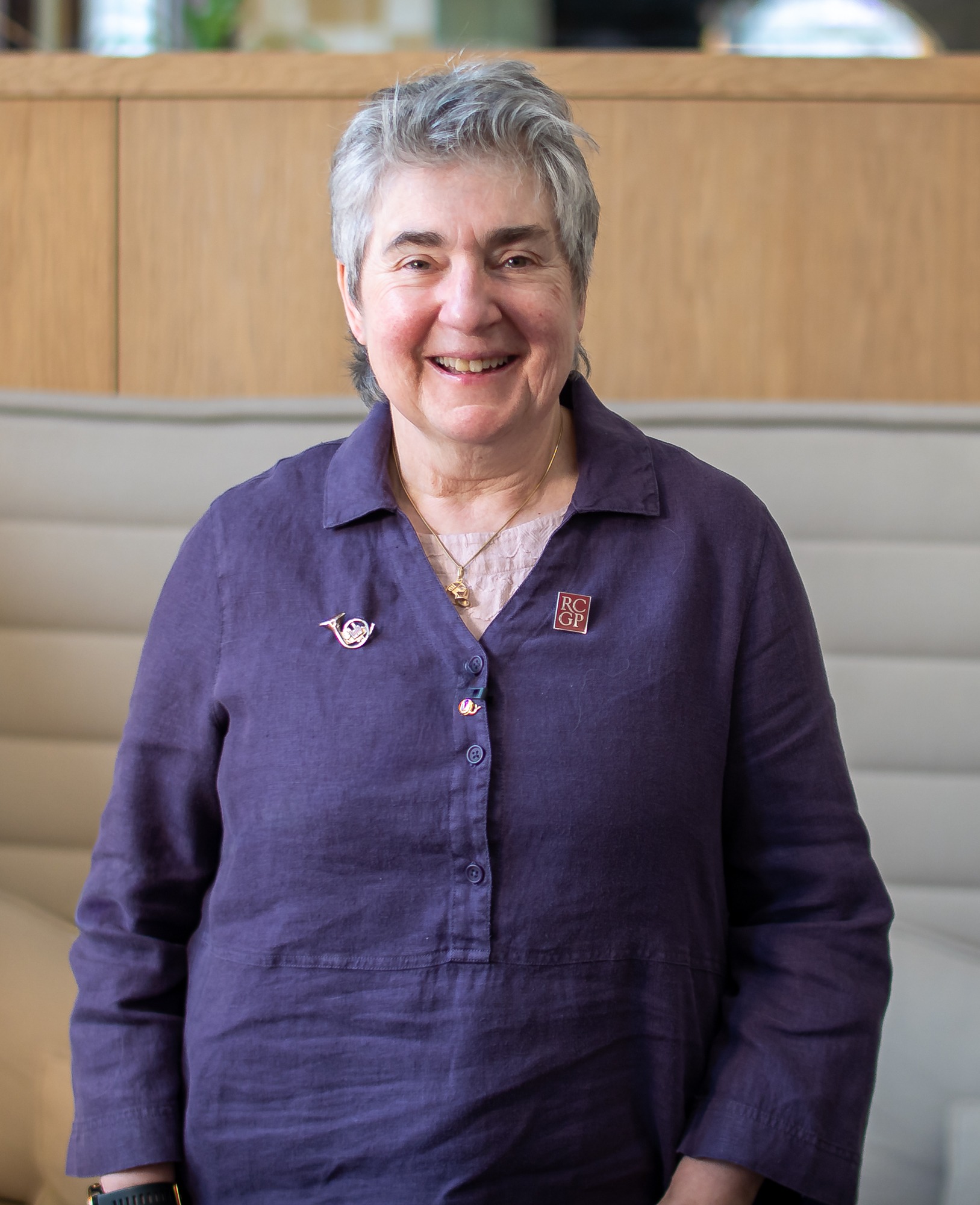
Dr Jude Danby is chair of the RCGP Late Career and Retired Members Group. She relinquished her licence to practise at the end of the pandemic after 30 years as a Yorkshire GP. She continues to appraise GPs and support cross generational work through the Yorkshire Faculty’s GP Families Scheme.
Why did you choose to be a GP?
I wanted to be a doctor for as long as I can remember. When asked as a teenager what I wanted to be when I was older, I said, ‘I am going to be a doctor’. General practice was the right fit for me as I could combine scientific interest and community.
What is the best thing about being a GP?
I like being a social anthropologist, working with and getting to know diverse communities, for example, I’ve got to know the South Asian community within my practice and even visited Pakistan.
What is the most frustrating thing about being a GP?
There’s never enough time for anything, it’s always a juggle between seeing patients, looking after your team, and having a life outside medicine.
What are you most proud of in your career?
I’m really proud to have been a GP in same deep end practice in Bradford for 25 years. When I retired, the patients came in droves to tell stories about how the practice helped them.
What has been the most important lesson you have learnt during your career?
Humility and kindness in leadership.
What’s the best advice you’ve received in your career?
I heard a really inspiring talk when I was a younger doctor fighting to keep maternity services in the community. He talked about the ‘circle of radiating possibility’ and the importance of not ending up in downward spiral when you face setbacks.
What are the biggest challenges for late career or retired GPs?
Adjusting the scope and volume of work so you can wind down and retire gracefully, rather than keeping going at full pelt and facing burn out.
What advice would you give late career GPs?
Late career is self-defined, and retirement isn’t a binary process. As GPs we wear so many hats, and we can take them off one at a time. I would advise late career GPs to look into coaching and mentoring; we are often so busy doing the job that we don’t have time to think about winding down and reducing volume.
Why do you think it's important to be a College member?
For me and my colleagues in late career it has provided a great peer group to share ideas and support each other through difficulties.
In the past, the RCGP could seem like bit of an ivory tower but that has completely changed over my lifetime, you can now see through the diverse membership that it’s a place for everyone and a professional home.
What would you have wanted to do if you weren’t a GP?
A musician! As a teen I played the French horn in the London School Symphony Orchestra. My inner musician had to take a back seat for many years due to the pressures of GP life but now in retirement I am playing the horn again. I am lucky to play in the European Doctors Orchestra, and I will be talking at the 2026 RCGPAC about the relationship between music and medicine.
Thank you for your feedback. Your response will help improve this page.