Case study library
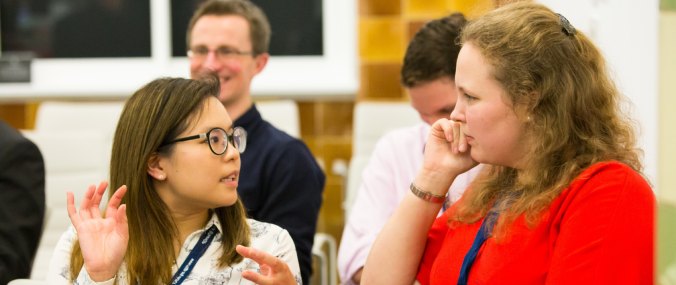
Read case studies from Primary-Secondary Care Interface Groups across Scotland.
The examples listed here demonstrate the type of work undertaken by Interface Groups, as well as the methods Interface Groups have used to work together well.
We're always keen to hear about Interface Group activity from across Scotland. Please share examples from your Interface Group by emailing scotland.interface@rcgp.org.uk
Case studies
NHS Lothian has piloted a new cluster interface model in medical paediatrics, significantly improving referral pathways while reducing both referral rates and waiting times.
A group has been established in Lanarkshire to commission and co-design pathways jointly between primary care, secondary care and other relevant stakeholders.
NHS Lanarkshire is evaluating a Human Factors based tool, used at the early stages of pathway development to help identify barriers and challenges at the interface.
A survey which identified communication incidents at the interface led to the implementation of a primary secondary care interface policy across NHS D&G.
NHS Dumfries and Galloway's Interface Group have implemented initiatives to improve mutual understanding across the primary secondary care interface
By developing a shared model over time, NHS Grampian has reduced additional workload in general practice and improved the overall flow of care for patients.
Structured interface working enabled NHS Grampian to move from policy to practice, supporting safe and consistent implementation of a new medicine across the primary–secondary care boundary.
By focusing on practical progress and shared understanding, NHS Grampian is moving towards a consistent and sustainable model for testosterone prescribing in menopause.
NHS Highland's Interface Group has built relationships and shared purpose to create a trusted space where people can raise concerns, seek advice and collaborate on solutions.
NHS Highland's Interface Group has worked to strengthen e communication between primary and secondary care.
NHS Highlands Interface Group established new processes to ensure primary care leadership are notified whenever secondary care services stop, change or are temporarily suspended.
To work through issues around outpatient clinic letters and find a productive way forward, the Interface Group in NHS Highlands established a task-and-finish group to review current practice.
The NHS Highland's Interface Group has agreed a practical set of rules to resolve ongoing confusion about how medication changes in secondary care should be communicated to primary care.
Using a structured SBAR approach for submissions to the NHS Highlands Interface Group has created a clearer, more efficient way for colleagues to raise interface issues and collaborate on solutions.
An Interface Group in North Lanarkshire conducts TBQR to provide team learning through a systems-based approach.
Thank you for your feedback. Your response will help improve this page.