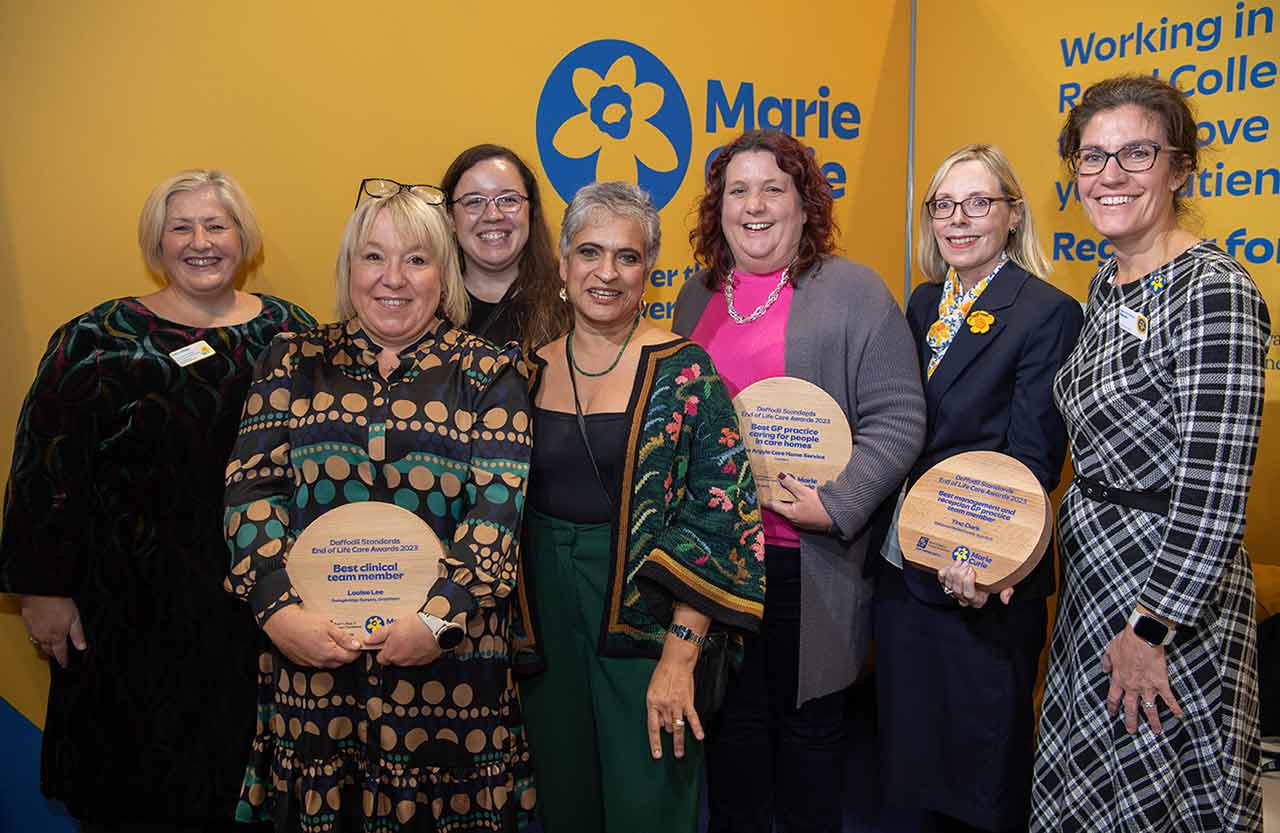
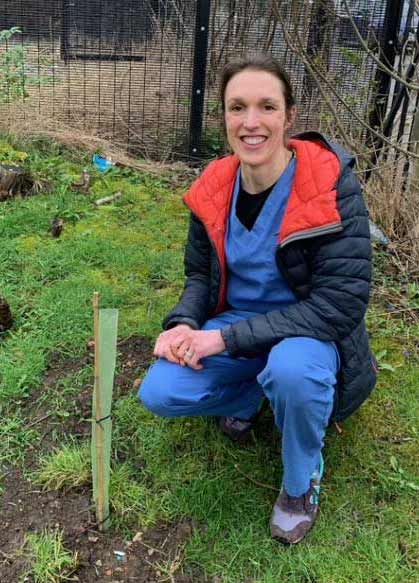
Commenting on the winners, Dr Millington-Sanders said that they show how GPs and their teams, can diagnose an issue using the Daffodil Standards tools and even small changes can make an ‘enormous difference’ to patients:
“It could be as simple as deciding that you're going to ensure a robust system to make contact with families of patients who have died or as extensive as developing a practice Standard Operating Procedure covering all Standards to enable large-scale system change. Ultimately, it's all about their personal touch, making changes relevant to their practice population and showing their commitment to caring for people nearing the end of life."
Reflecting further on why the Daffodil Standards are so important more generally, she continued:"Evidence shows there is variation in end-of-life care across the UK and within general practice. This may in part be due to system and capacity challenges, but there are always things we can do in our practices, to improve our care for patients and families affected by serious illness, end of life care and bereavement. We developed the Standards to address this and to ensure that all members of the practice team have a clear framework, supporting them to self-assess and identify what works best for their patients and families as well as what bereavement support they can offer people affected by grief.
"The value of palliative care for patients and their families cannot not be understated. It requires versatility, sensitivity and compassion, drawing on knowledge from all aspects of a patient's medical history and their lived experience. It requires deep medical understanding and inter-personal skills. That’s why it’s been so important to recognise good practice and gives the opportunity to celebrate our profession and inspire each other."
The Daffodil Standards were developed with multiple partners with a robust review process. Now one in five practices are signed-up across the UK. They continue to be developed based on experience and emerging evidence and are currently undergoing an independent review by Cardiff University.
As general practice, and wider NHS services, are under significant pressure to meet the complex needs of patients nearing or at the end of their lives, Dr Millington-Sanders believes the Daffodil Standards will be increasingly important in supporting practices to consistently deliver a population-based approach and enabling high quality, end of life and bereavement care.
"We know GP teams are committed to doing the absolute best for patients, despite being under sustained, significant pressures. These awards were a wonderful morale boost, recognising the impressive and valuable care that practices are achieving."