
A constructive, critical friend to the Covid Committee
Published on 14 May 2024
In the end, the decision was taken to opt for the public health route and in doing so that led to England, Northern Ireland, Scotland and Wales each having authority over the decision-making process. To the public there was little divergence in approach early in the pandemic, but even the decision not to diverge from one another lay in each of the four capitals. Over time, a moderate amount of divergence in decision-making between the nations occurred.
We now find ourselves trying to learn the lessons from 2020-2022. The UK Covid Inquiry has tended to hit the headlines due to the friction between characters in Government and the content, or lack thereof, included in WhatsApp messages. This is understandable from a news perspective, but does a disservice to a diligent, detailed and vast examination into the handling of the pandemic in the UK. RCGP has submitted evidence to the Inquiry.
The Scottish Government established its own inquiry to which former Chairs of RCGP Scotland recently gave oral evidence. There has been debate in Wales whether an independent inquiry should be set up, but this has been resisted by the Welsh Government. In a compromise between the Labour Government and Conservative opposition, a Wales COVID-19 Special Purposes Committee has been established. The purpose of the Committee is to examine in greater detail any matters affecting Wales based on the UK Inquiry’s findings. This means that we have little idea at present as to the so-called ‘gaps’ that will be investigated, nor the process of identifying them. The timescale also means that we could have a scenario in which people are being called to give evidence to the committee over half a decade after the events they are seeking to recall.
This six-member cross-party Committee is undertaking a mammoth task. That is why RCGP Cymru Wales has partnered with other medical royal colleges and colleagues from across health and care to establish a Covid Committee Observation Group.
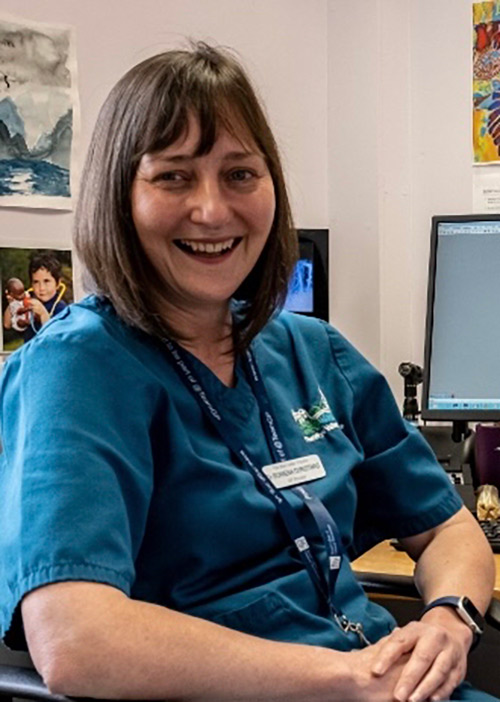
RCGP Cymru Wales Chair Dr Rowena Christmas explains why this group was set up:
“The task facing the Committee is complex, but our aim is simple: we want to be a constructive critical friend so that we can do our best to ensure this investigation into the handling of the pandemic in Wales hears the voices of our members and our patients, while delivering meaningful outcomes that can be acted upon so we are as well prepared as we can be for the future challenges we will face.
“At present the Covid Committee is taking evidence to build a knowledge base ahead of the publication of the UK Inquiry’s Module One report. Following that publication, work will begin on identifying topics for which they will seek evidence. Throughout this process the Observation Group will seek to help shape a productive investigation.”
Read more

Thank you for your feedback. Your response will help improve this page.