Can you hear me?
Publication date: 21 September 2026
How can we improve the way we deliver care to our deaf patients?
I am a GP by profession and have a portfolio career and, for many years, also worked as a sports physician. One of my roles was as medical officer for the FA England Women’s Deaf squad.
I thought that, as a GP, I understood what it meant to be deaf, but working closely with the squad transformed my view of hearing loss. During my first training session at Lilleshall, a fire alarm sounded. Those of us who could hear prepared to leave, while many players carried on because they could not hear it. We attracted their attention by waving, but the incident showed me how vulnerable someone can be when they are not alerted to danger.
Communicating and socialising also required adjustment. Walking and talking side by side was impractical for players who relied on lip reading. In group discussions, I had to face people rather than murmur agreement, and a BSL interpreter was often needed when not everyone could see the speaker.
The medical team had to be creative. Many players were pre-lingually deaf having lost their hearing before they had developed spoken language, so English was a second language and communicating by writing was not always possible, and a BSL interpreter was essential. Even routine examination needed thought: when listening to a player’s chest, I had to make sure she could lip read if I wanted her to ask her to breathe deeply.
If the physio examined someone lying face down, they had to use a couch with a hole so a player could see one of us sitting beneath the couch to relay conversations. Asthma control was often poor, and my usual demonstrations of using a peak-flow meter failed. Eventually, I blew hard onto a player’s hand so she could feel what I meant. That simple adaptation helped players understand and manage their asthma, improving both their health and athletic performance.
Measuring fitness also demanded adaptation. The beep test requires athletes to shuttle run and turn at an audible signal, so the coaching and medical teams stood in a line and jumped and waved at each bleep to alert the players that they had to change direction.
Working in disability sport was not simply about overcoming challenges. It required adaptability, humour and a willingness to learn, which made it rewarding. At an international tournament, I watched players from different countries communicate through sign language. Although sign languages are culturally distinct, there were enough similarities for conversation without a shared spoken language. However, I was also aware that women who were post lingually deaf and had lost their hearing after they had developed speech, were often less BSL fluent and had less involvement in discussions.
Working with the squad changed my clinical practice and there are many small changes which can have impact. Teams can start by asking patients how they prefer to communicate, and record both this preference and any reasonable adjustments so others know what to do. Offer different ways to make appointments, including email, SMS and online booking. Remember, however, that BSL may be a patient’s first language and English their second, so written triage tools can unintentionally create digital exclusion.
Consider every stage of the consultation. You may need to collect the patient and wave to attract their attention rather than calling a name. Book a BSL interpreter for face-to-face or video consultations when needed but remember that the consultation will need to be longer to accommodate this. Face the patient while speaking, and do not continue talking while looking down to type. Never assume written English is accessible; provide information in the format that works for the individual. When referring a patient, pass on their communication needs and reasonable adjustments; the Reasonable Adjustment Digital Flag can support this.
Deaf people experience poorer health outcomes than the general population, and we all have a role in improving what we do. At a practice education day could your team review how barriers are removed for deaf patients and agree one consistent intervention such as adding alerts that someone is deaf? For patients, this can mean safer, more accessible care and for GPs and practice teams personalised reasonable adjustments can reduce barriers to healthcare, with the ultimate aim of improving the health and lives of people who are deaf.
For more information on this article, please contact the Learning Disabilities SIG.
About the writers
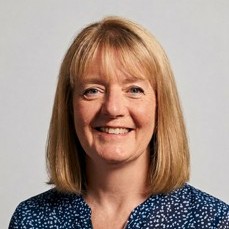
Alison Tavaré
Co-chair of the RCGP Learning Disability special interest group
Thank you for your feedback. Your response will help improve this page.