A shared dish, a shared story
Publication date: 26 June 2026
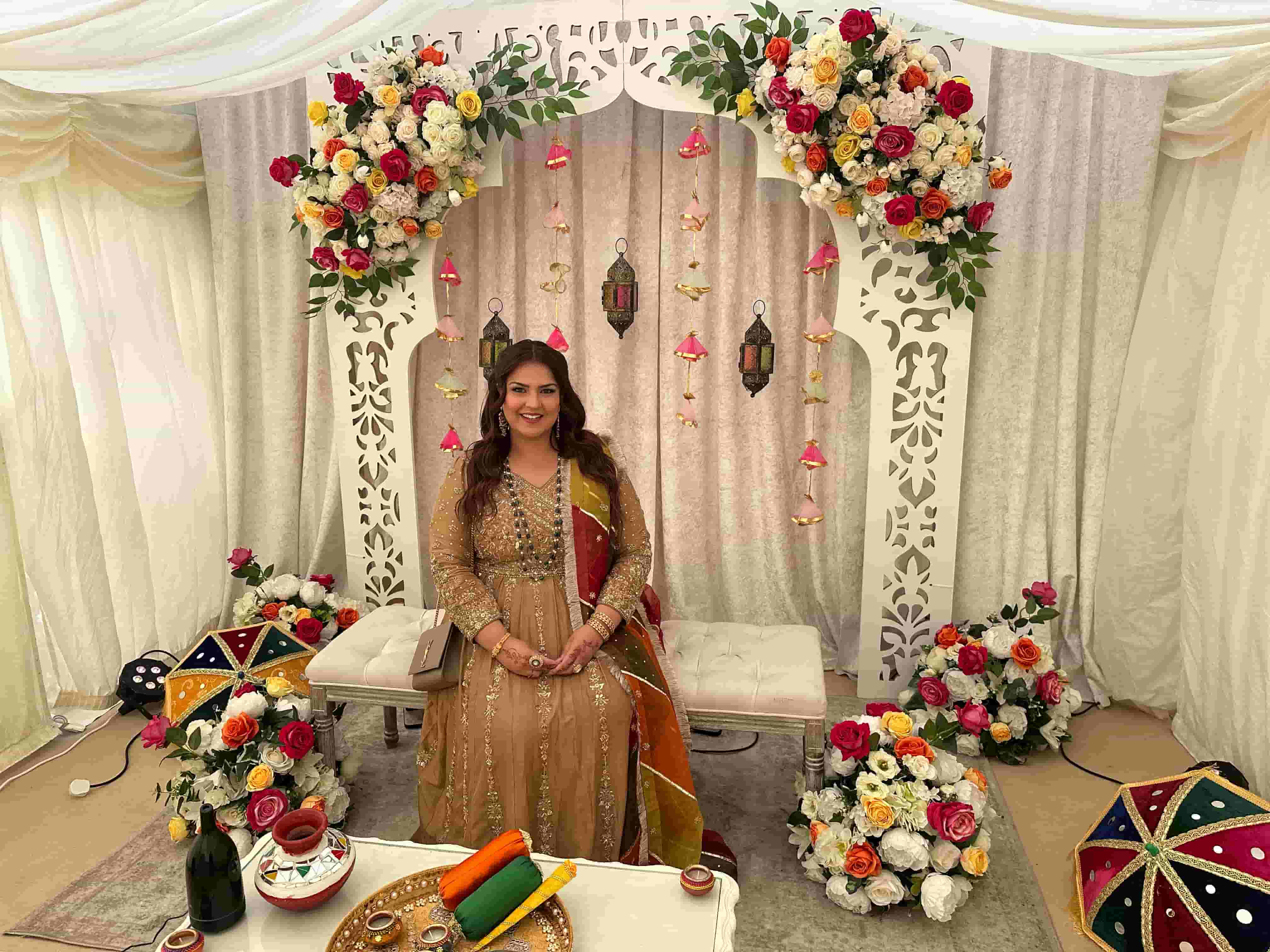
The heritage I carry
As a British Pakistani GP working in Staffordshire, my story is shaped by both the community I serve and the Punjabi heritage I carry with me. It is a heritage rooted in rich history, culture and complexity. Like many others, my grandparents migrated during the 1947 India-Pakistan partition, and their journey has shaped how I understand identity, belonging and community.
For many of us, identity is not about choosing between being British or having South Asian heritage, it is about learning how to embrace both. South Asian Heritage Month offers a chance to celebrate that complexity, but also to reflect on how culture shapes many aspects of our personal and professional lives.
For me, being British Pakistani has shaped my values, particularly around community and connection. These are also principles I recognise every day in general practice. I value the holistic side of general practice, taking time to understand families, communities and what makes each person unique. My identity has helped shape the kind of doctor and leader I am today.
I grew up with the values and traditions of the Pakistani-Punjabi diaspora that settled in Britain from the 1950s onwards. As I got older, I began to see how those who migrated more recently brought their own experiences, perspectives and cultural practices, shaped by a different time and context from my own British Pakistani upbringing. Both experiences are valid.
There are shared threads between them, but also differences shaped by time, place and migration. It made me realise that if there is such richness and variety within my own heritage, then South Asian identity as a whole is even more complex and beautifully layered. There is still so much we can learn from one another, and so many opportunities to understand, embrace and support each other better.
Where conversations begin
Food has always been one of the easiest ways for me to share my culture. I often bring South Asian dishes into the practice, particularly around cultural and religious celebrations. I remember bringing food in around Eid and watching how naturally conversations began. Someone would ask what a dish was called, someone else would ask how it was made, and before long we were talking about cultures, celebrations, faith and the traditions that shape who we are.
These moments may seem small, but they allow colleagues to tell stories and connect as people, not just as clinicians and staff members. Conversations often begin with food, but they rarely end there. A shared dish can open the door to stories about family, faith, migration, celebration and belonging.
I have often found that this curiosity can lead to more meaningful conversations about inclusion and diversity. Food can open the door, but the conversation does not have to stop there. It can help create a culture where people feel more comfortable asking questions, learning about each other and reflecting on how this understanding can be adapted into the care we provide for patients.
Through my role as EDI Lead, I have seen how powerful it can be when people are given space to share their stories. Planning the last three Midland Diversity Conferences has given me the opportunity to build on this work. These conferences have brought colleagues together not only to discuss inequalities, but also to celebrate the strength that different backgrounds bring to general practice.
Beyond celebration
South Asian Heritage Month is not only about celebration. It is also about creating spaces where people feel valued. As GPs, we care for increasingly diverse communities, and our profession is stronger when it reflects and understands those communities. My South Asian heritage is not separate from my work as a GP or as an EDI lead, it enriches it.
Celebrating heritage does not happen in isolation. In today’s climate, conversations about migration, ethnicity and belonging can feel difficult at times. For many South Asian communities, celebrating who we are can bring real joy and pride, whilst also carrying an awareness that acceptance and belonging are not always experienced equally.
For me, South Asian Heritage Month is therefore both a celebration and a call to reflection. It is a chance to honour the richness of our communities, while also asking whether our workplaces, institutions and systems are doing enough to make people feel safe, respected and valued throughout the year. In the same way that a shared dish can begin a conversation, this month can open the door to deeper understanding, stronger connection and more meaningful inclusion.
About the writers
.jpg?language=en)
Dr Aysha Naz
Dr Aysha Naz MBChB MRCGP
Thank you for your feedback. Your response will help improve this page.