Islamophobia awareness month 2026: Don't let it slide
Publication date: 09 November 2026
This year's Islamophobia Awareness Month theme, 'Don't Let It Slide' is timely. In March, the government adopted a non-statutory definition of anti-Muslim hostility. It is a long-overdue recognition, as the denial of Islamophobia continues to harm Muslim doctors. However, it has left many colleagues confused about how to name the prejudice and systemic discrimination that Muslims experience. Before we can refuse to let it slide, we need to be clear about what 'it' is.
Two terms, two lenses, and the human impact
The government's definition is anchored to action through three strands: criminal acts against Muslims or those perceived to be Muslim, stereotyping intended to encourage hatred, and unlawful discrimination intended to disadvantage Muslims. Though narrowly focused on overt acts directed at individuals, these cannot be ignored. A mosque is now attacked every five days in the UK, and we see relentless online hatred and continued far-right mobilisation on our streets.
Islamophobia, defined by the APPG on British Muslims as a type of racism targeting expressions of Muslimness or perceived Muslimness. It is a broader lens, capturing the root attitudes, narratives and institutional cultures that sustain discrimination. Both protect people, not a religion; with the government's text explicitly stating this. So those claiming the word Islamophobia shields a belief system from scrutiny miss the point. This is not about semantics but hermeneutical justice: drop the word, and we lose the ability to name systemic harms.
The human cost is captured starkly in a 2026 report, The Crisis of Belonging, which found that just 51.9% of British Muslims strongly feel they belong in the UK, down from 93% in 2016, with young people among the most pessimistic and making 'plan Bs' to leave. When a generation born and raised here begins to plan its exit, we should all be asking what we have allowed to slide.
What about general practice?
Muslim doctors are a vital part of our specialty. In 2025, 39% of GPST1 applicants and 26% of those who received offers were Muslim. General Practice is clearly a specialty that appeals to Muslims, but are opportunities and experiences equal?
A consistent body of evidence shows that Muslims are more likely to experience discrimination in the NHS, from the King's Fund survey to the Muslim Doctors Association, where 80% of Muslim staff reported negative assumptions and stereotypes, to a spike in hostility after the 2024 riots, with Muslim healthcare professionals questioning their safety and future. A crisis of belonging in the NHS is maintained by the Islamophobia iceberg. Above the waterline sit abuse and harassment; below it lie stalled progression, exclusion from socials and resistance to prayer spaces. And here lies the problem. Most of what lies below the waterline will not meet the threshold for anti-Muslim hostility.
Our patients feel it too, many Muslims now fear using public services. Islamophobia is also a public health issue: chronic exposure to stress and discrimination is associated with mental ill-health and allostatic load contributing to the cardiometabolic diseases we see every day in our consulting rooms. Additionally, 39% of Muslims live in the most deprived areas and are thus disproportionately impacted by the inverse care law, which amplifies health inequities.
This matters because the definition is now entering our workplaces. The Mann Review reaches general practice through two levers: training and sanctions. NHS England has been asked to roll out mandatory training for 1.5 million staff on anti-Muslim hostility. This is welcome, however, training built solely on intentional, overt acts will teach staff to see only the tip of the iceberg. And with most practices independent contractors, who ensures practice teams receive it? The review also proposes changes to primary care performers lists, permitting conditions on GPs on 'suitability' grounds. As the RCGP has cautioned, this needs clear safeguards, not least for Muslim GPs who face fitness to practise threats for Palestine advocacy.
Don't let it slide
Addressing anti-Muslim hostility is necessary, but it captures only one dimension of Islamophobia. The structural elements and root attitudes, the stalled careers, the unheard concerns and the silent exclusions must also be addressed.
So what can we do in general practice, starting tomorrow?
- Practices: adopt the Anti-Muslim hostility definition but name Islamophobia in policies too. Review policies through an equity lens, so indirect discrimination is caught before it happens. Make it easy for staff and patients to report abuse, and back staff who challenge it.
- GP educators: treat faith accommodation in training as a core part of an inclusive learning environment.
- The College: help shape training so it covers the structural as well as the overt, and monitor GP training recruitment, progression and outcomes by religion as routinely as we do by ethnicity.
- All of us: be active allies. When we see something, we do something.
This Islamophobia Awareness Month, it is even more important that we do not let Islamophobia slide. We pride ourselves on seeing the whole person. We should bring the same vision to the whole problem.
About the writers
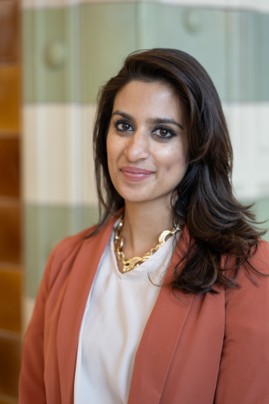
Dr Hina Shahid
Dr Hina Shahid
Thank you for your feedback. Your response will help improve this page.